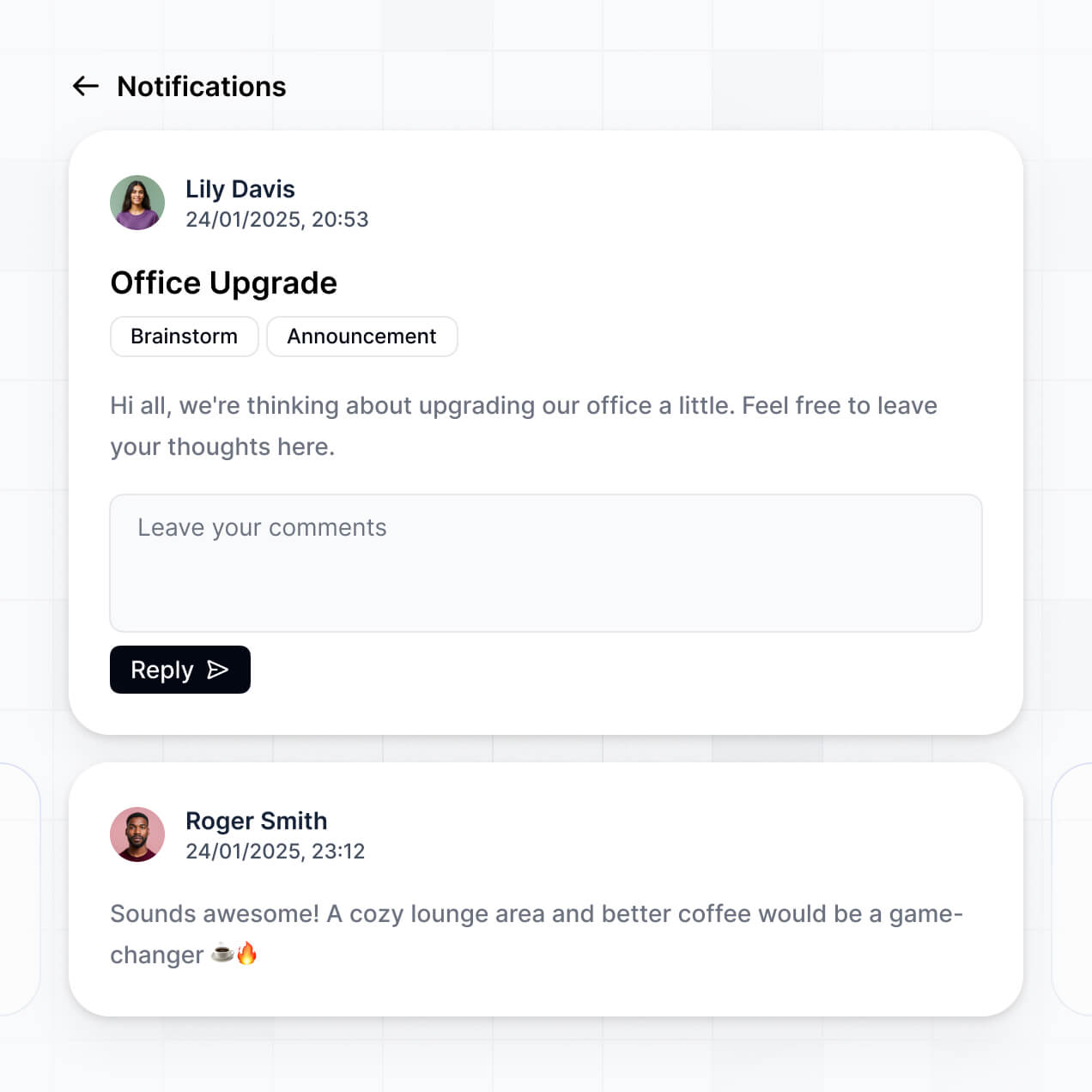
Manage requests, track statuses, and organize uploads in an AI-powered portal built with AI to fit your school's custom workflow.
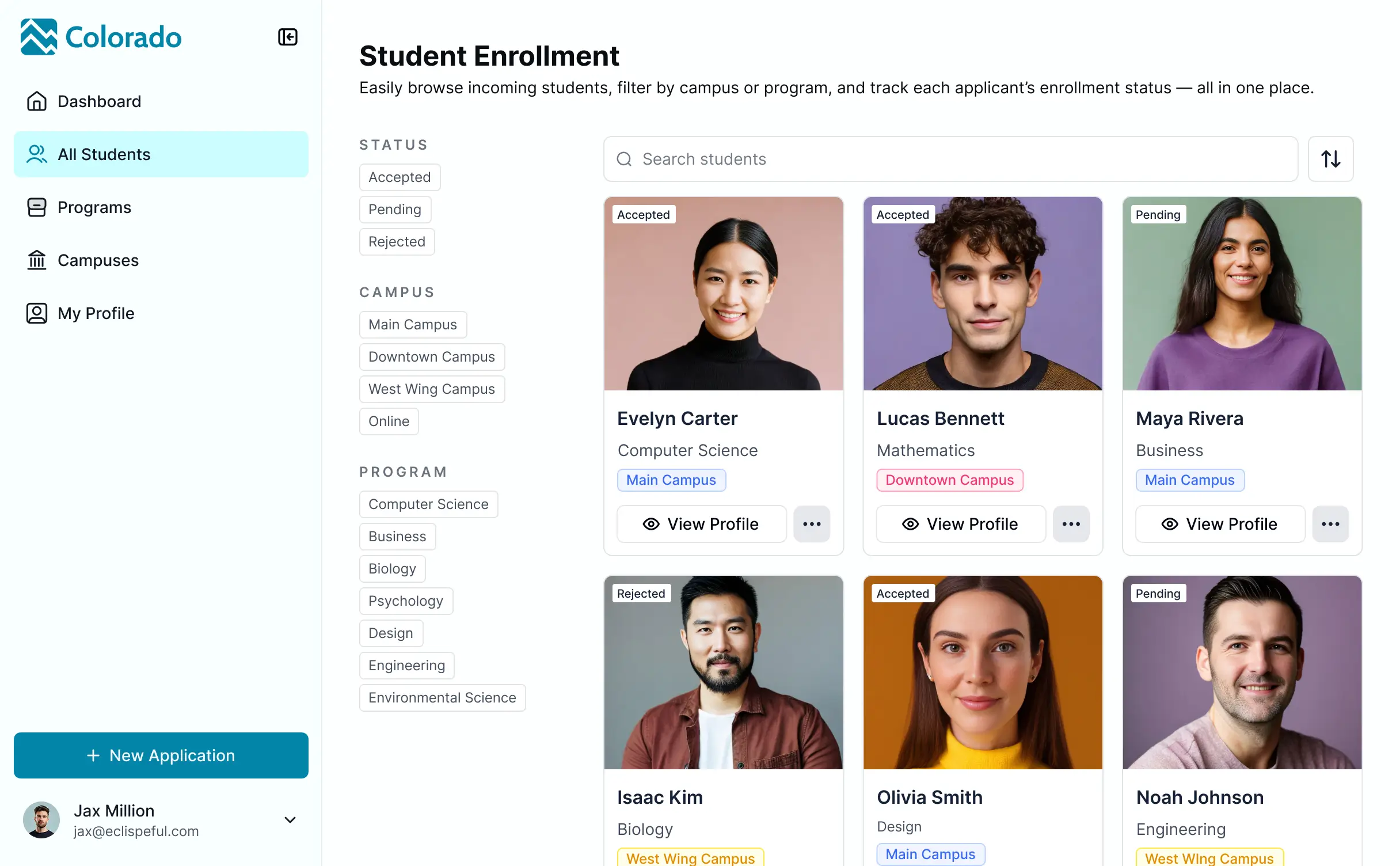
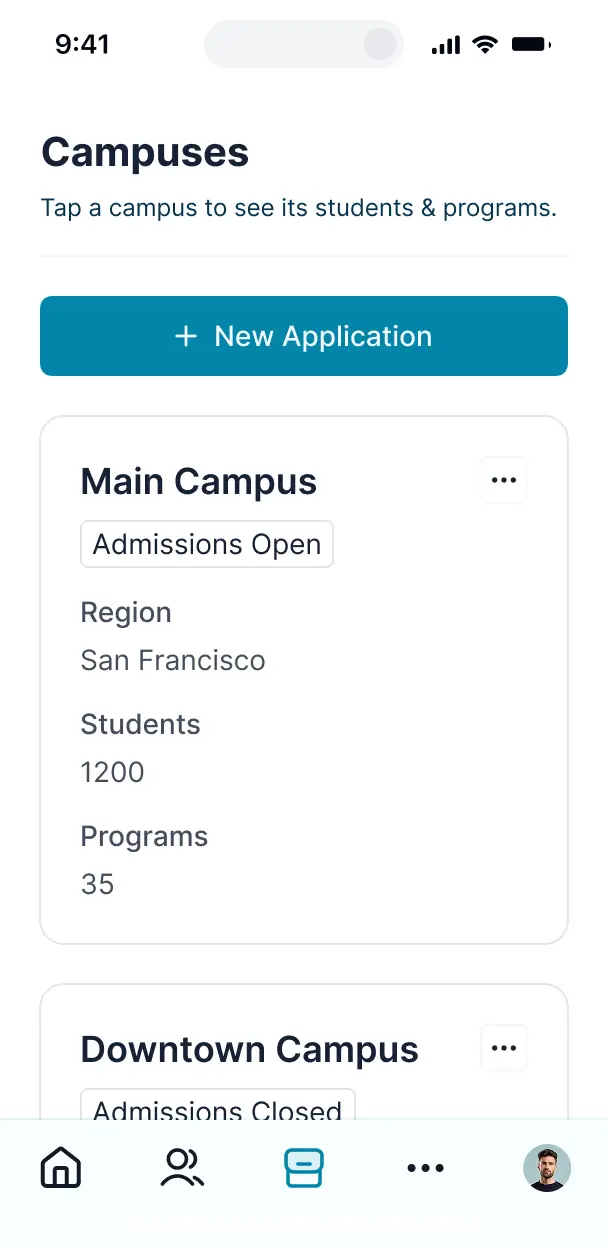

Set up custom views for instructors and staff. Add blocks like file uploads and status tracking—only when needed, and iterate as processes grow.


Connect spreadsheets, CRMs, and academic systems with real-time sync—or manage everything in Softr Databases. Create a single source of truth for your school's materials.
Give faculty and staff the right access in a fully branded portal. Set up secure logins, user groups, and request permissions in minutes.
Softr apps are mobile-ready by default. Let professors submit requests from any device using a downloadable PWA—no extra design needed.
Build native automations with Softr Workflows to handle approval notifications and status updates automatically whenever a request is reviewed.
Provide separate logins for instructors, department heads, and librarians, creating personalized dashboards for every role in the process.
Apply rules for different user groups. Customize who can approve requests, view budgets, or upload files at even the most granular level.
Protect academic data and intellectual property. Softr is fully compliant with SOC2 and GDPR regulations to keep your portal safe.
No more one-size-fits-all tools or costly custom builds. Softr is easy to use and fully customizable, so you can launch faster, adapt as you grow, and skip the complexity of traditional software.

Build your course material request portal in minutes with AI—no manual setup needed for your department.

Add features like license tracking, faculty approvals, or catalog browsing as your needs evolve—no rebuild needed.

Start with a request portal, then add student dashboards or resource libraries—all in one place with no extra tools.
Co-build with AI
Simply describe what you need. Let Softr handle everything - Interface, database, workflows.
Iterate with AI or visually
Control most critical parts of your app yourself - roles, permissions, security.
Ship the same day
Invite team members or external clients and partners right away. No developer handover.
Use drag-and-drop blocks to build a portal that looks sleek and modern out of the box. Add only the features you need, and iterate as your workflows evolve.




A course material request portal is a secure space where your faculty or instructors can log in to submit and track requests for textbooks, software, or digital resources. It keeps all curriculum requirements in one place, so you don't have to rely on back-and-forth emails or messy spreadsheets. This makes it easier to stay organized and provide a better procurement experience for academic departments and procurement staff.
Softr is the first AI-native platform for building business software. It makes it easy to build a course material request portal that fits the way your institution works. You can describe your needs to the AI Co-Builder to instantly generate your syllabus database, request pages, and approval logic—already connected and secure.
You don't need to code anything. You can start by generating with AI, using a template, or building from scratch. Everything runs on Softr Databases, the native, relational database built into the platform, or you can connect external tools like Airtable, Google Sheets, or your existing university database. You have full control to adjust the layout visually, decide who sees what (such as departmental chairs vs. teaching assistants), and brand it to match your university's identity. It's quick to get up and running, simple to update, and flexible enough to scale across multiple departments.
You can include a wide range of features in your course material request portal, depending on what your academic workflow looks like. A great portal usually mixes classic functional blocks with AI-powered intelligence:
- AI-Powered Intelligence – Use Ask AI to let staff query their request history conversationally, or set up Database AI Agents to automatically categorize requests or check for duplicate resource entries.
- Vibe Coding Blocks – Build complex, custom UI elements—like a dynamic ISBN look-up tool—using the AI Code block to 'vibe code' exactly what you need.
- Softr Workflows – Build native automations (like email alerts for professors) that trigger notifications or sync data whenever a request is approved or a stock level is updated.
- User Portals & Logins – Securely manage access so each instructor only sees their own course load and requested materials.
- Forms & Data Collection – Capture details with custom forms, syllabus uploads, and conditional logic for different material types (physical vs. digital).
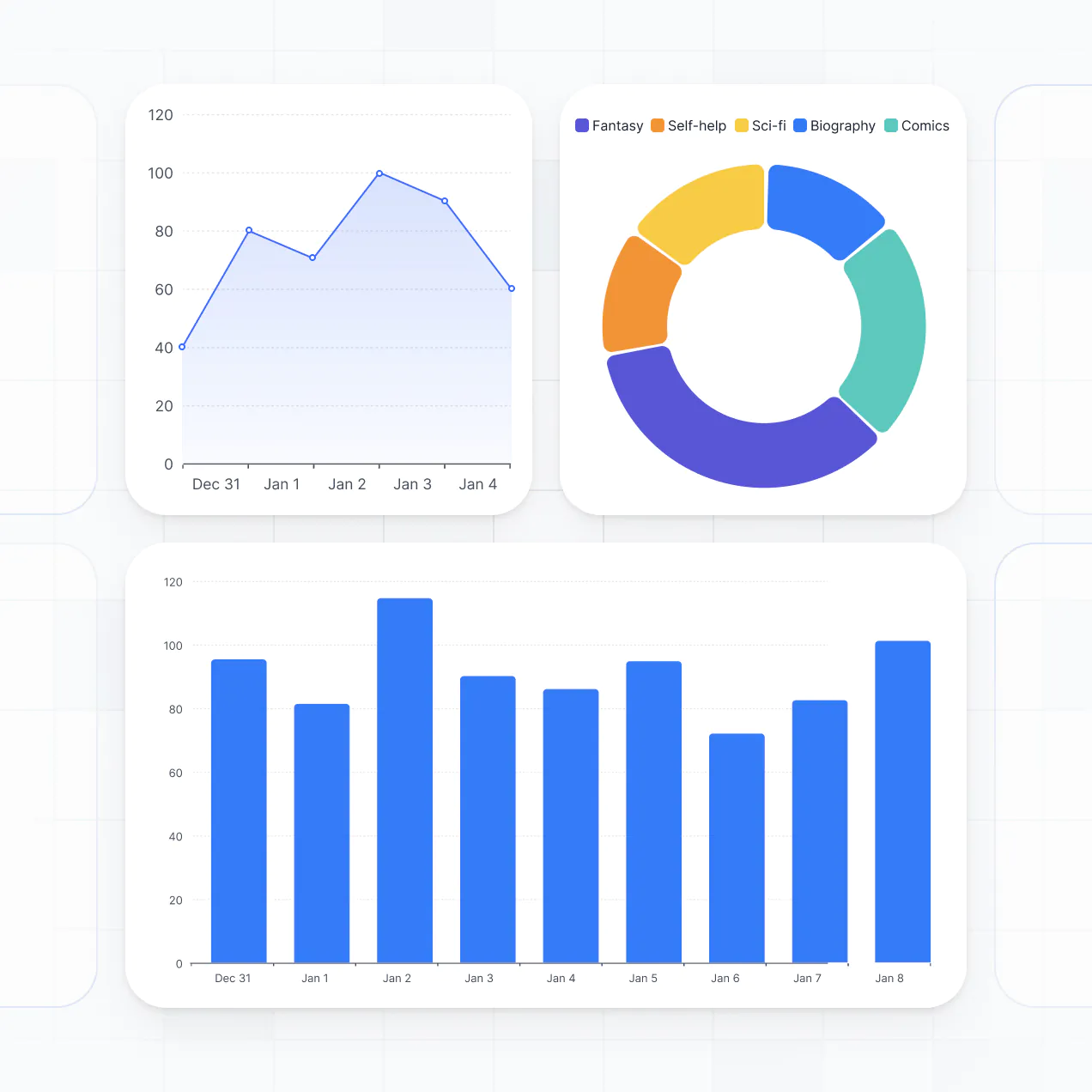
- Dashboards & Charts – Visualize your budget spending and request volume with real-time charts and summaries.
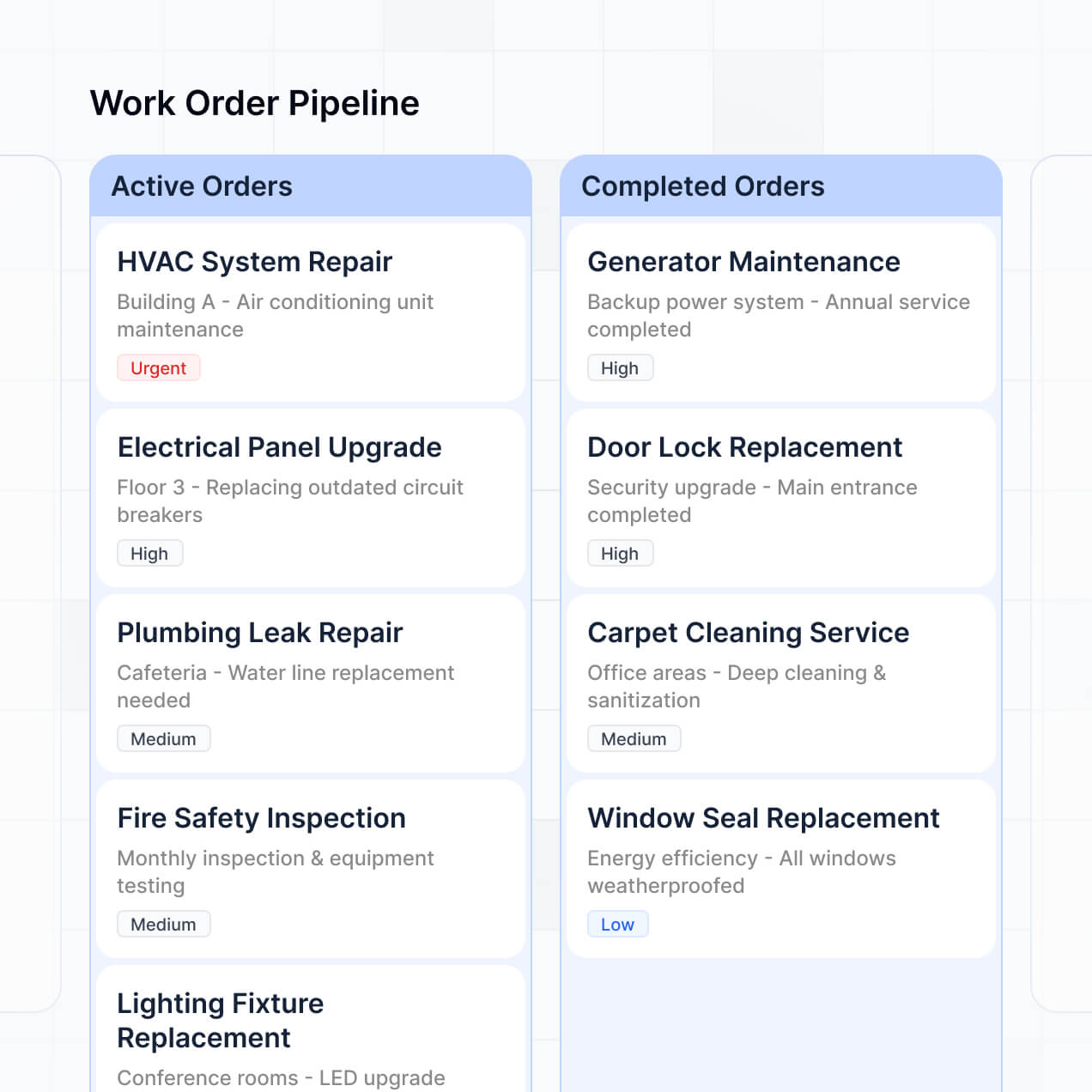
- Lists & Advanced Filtering – Display and manage requests with searchable tables, status-based kanban boards, and detailed views for each course module.
Everything is built using Softr's drag-and-drop blocks, so you can create these features without writing code. Need something more custom? Use the Vibe Coding block to generate a tailored component with AI. And if your curriculum changes, it's easy to update the portal later.
Vibe coding is all about moving fast and using AI to build exactly what you need. You can 'vibe code' a course material request portal in Softr by simply describing your requirements to the AI Co-Builder. Softr then generates a production-ready app on top of a stable, secure foundation.
Unlike other tools that just generate raw, fragile code, Softr handles the 'boring 80%'—like instructor authentication, database logic for course IDs, and platform security—natively. This means you get the speed of vibe coding without the 'Day Two' headaches of managing raw code. You describe the request workflow, Softr builds it, and it’s ready for your faculty or administrative staff instantly.
Yes. You can manage multiple departments or academic teams in a single portal. Each user only sees the materials and request history assigned to them, based on their login and role. This is useful for large universities where different colleges—like Business or Engineering—have their own approval hierarchies and procurement rules.
Yes, you can. You don't need to bring your course or book data from somewhere else to start building with Softr. If you're starting from scratch, you can use Softr Databases, which is built into the platform and integrates perfectly with any application you build.
But if you already have resource lists in tools like Airtable, Google Sheets, or a legacy database, you can connect those too. You can also use the REST API connector to bring in data from university bookshops or library systems. Either way, you have full control over how your material lists are structured and displayed in your portal.
Softr Databases is the recommended native, relational data source for Softr. It is built explicitly for business apps, offering the highest performance for large academic catalogs, instant automation triggers for approvals, and a lightning-fast experience because the information is native to the platform.
If you already have your course data elsewhere, Softr also connects to 17+ external data sources. You can connect to Airtable, Google Sheets, HubSpot, SmartSuite, BigQuery, and more. You can even integrate multiple data sources into the same app—so your portal could pull course schedules from Google Sheets and item availability from Softr Databases at once. Most sources support real-time, two-way sync, so any changes in your app or data source stay in sync automatically.
Yes, Softr gives you full control over how faculty and staff experience your course material request portal. You can customize the layout, navigation, and content to match your university branding. Each page or block can be shown or hidden based on who's logged in, so every professor sees only the courses they are currently teaching.
You can also set up different user roles, such as Faculty, Department Head, or Librarian—and define exactly what each role can view or edit. For example, faculty can only see their own requests, while administrators can manage and approve all requests in the system. You can also create personalized views by filtering data based on the logged-in user.
This level of customization is especially useful when managing multiple departments in the same app. It helps keep the experience clean, secure, and tailored to each individual’s responsibilities.
Yes, you can fully white-label your course material request portal in Softr. You can use your university's logo, brand colors, official fonts, and a custom school domain to make the portal feel like a natural extension of your internal systems. You can also remove all Softr branding, so your faculty only see your institution's identity throughout the request process.
Yes, you can. Softr gives you a lot of flexibility to control both the design and layout of your course material request portal. You can adjust colors, fonts, spacing, and page structure to match your brand style guide. You can also choose how each page is laid out, decide which blocks go where, and set what different users see when they log in.
To display your resource data, you can add different types of blocks depending on what you need:
- Table blocks – to show structured data like textbook titles, ISBNs, and quantities
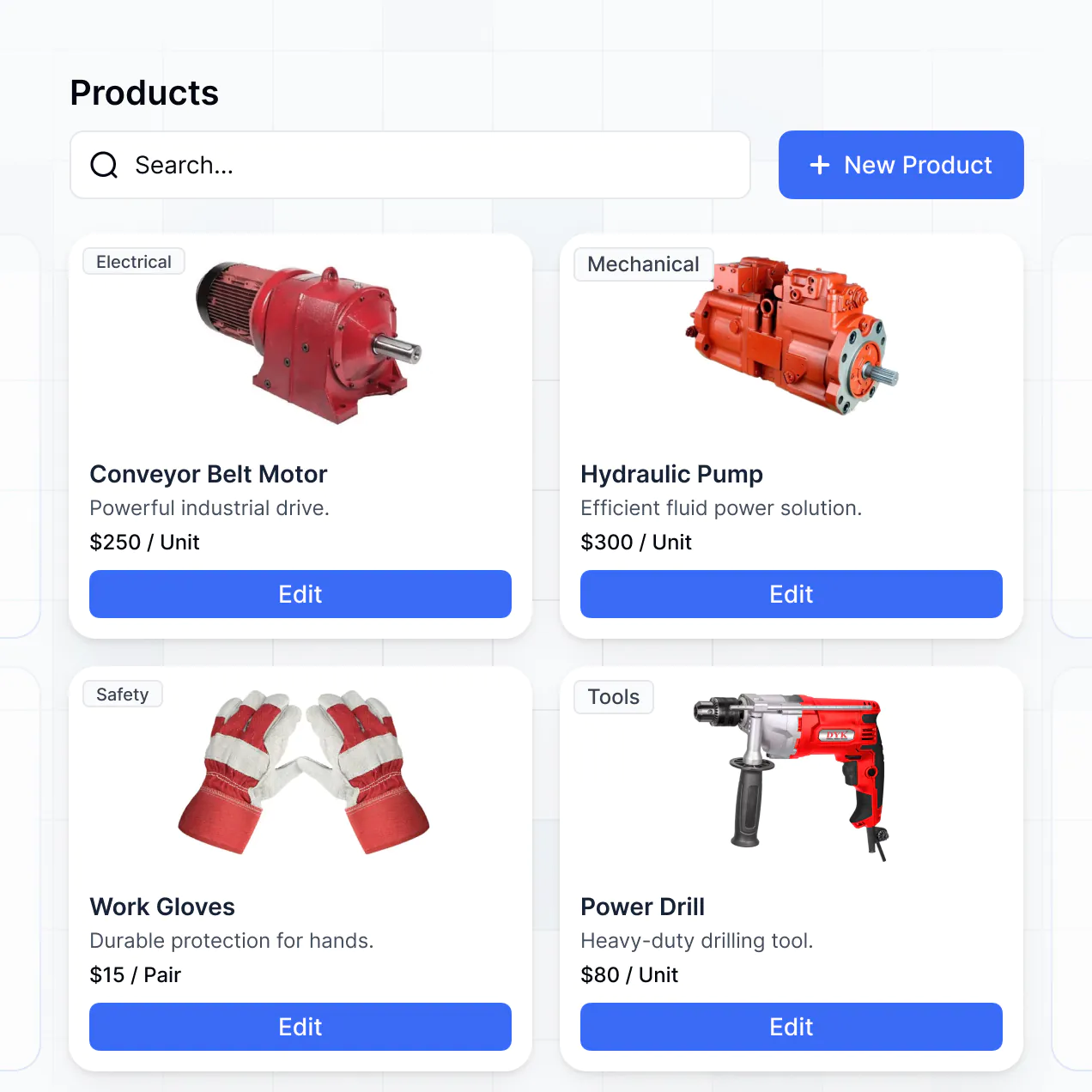
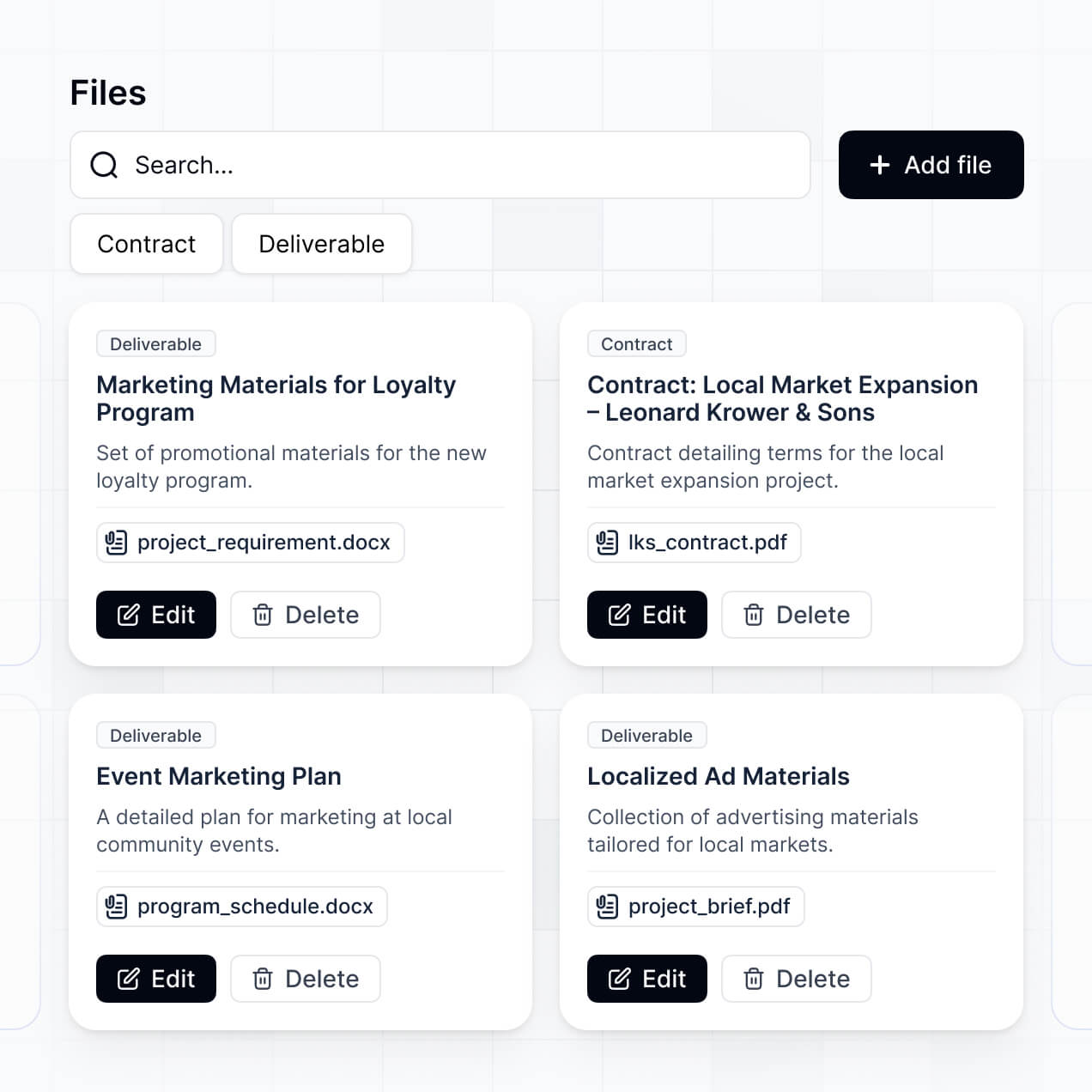
- List or Card blocks – to highlight things like current course modules or software licenses
- Detail View – to show one request at a time, like a comprehensive approval summary
- Forms – for instructors to submit new material requirements
- Charts – to show departmental budget utilization or request status trends
- Calendar blocks – to display ordering deadlines for the upcoming semester
If your curriculum or branding needs change later, it's easy to go back and make updates right in the visual builder.
Softr is built with security in mind. All curriculum and faculty data is encrypted in transit (TLS) and at rest, and your apps are hosted on secure, reliable infrastructure. Softr apps also give you full control over who can see and do what in your app. You can set up role-based permissions, manage faculty accounts directly within your data source, set visibility rules for sensitive budget data, and apply global restrictions across your entire portal.
For apps using Softr Databases, your data is stored in Softr's secure environment with SOC 2 Type II compliance. For apps connected to external sources like Airtable or SQL, Softr doesn't store your data—it just displays it in real time based on your access settings. You're always in control of your material lists and who can view or edit them.
Softr also follows industry best practices for authentication and access control to help keep your institution’s information safe.
It is fully production-ready. Unlike many AI tools that just 'vibe code'—generating fragile, custom code that is hard to maintain—Softr builds your course material request portal on top of a stable, business-grade foundation.
We handle the 'boring 80%' (like secure login, faculty roles, and permission handling) natively, so you don't have to. This solves the 'Day Two' problem of AI: you get the speed of instant generation without the headache of managing raw, unreliable code. Your app is secure, scalable, and ready for your department to begin processing academic requests from day one.
Softr is the first AI-native platform for building business software. Unlike pure 'vibe coding' tools that generate fragile code, or traditional no-code tools that require manual configuration for every form field, Softr’s AI Co-Builder creates apps on top of a secure, production-ready foundation.
What sets it apart is the hybrid advantage: you can use AI to generate your curriculum database, request forms, and portal logic in minutes, then use visual controls for precise editing. You get the speed of AI with the reliability of business-grade infrastructure (auth, roles, permissions, and hosting) already built-in. It's designed for non-technical academic staff who want to move from a manual process to a production portal on day one.
Yes. Softr supports powerful native workflows and a wide range of integrations so you can connect your course material request portal to the rest of your school's tech stack. You can automate tasks like sending approval emails to the registrar, or sync with tools like Hubspot for vendor management. Softr also supports REST API and webhooks for more advanced data transfer to learning management systems (LMS).
Whether you need to send request data to an ERP, trigger procurement based on status updates, or display library stocks from other apps, you can build it into your portal without writing code.
Describe what you need. Softr's AI builds your course material request portal in minutes.