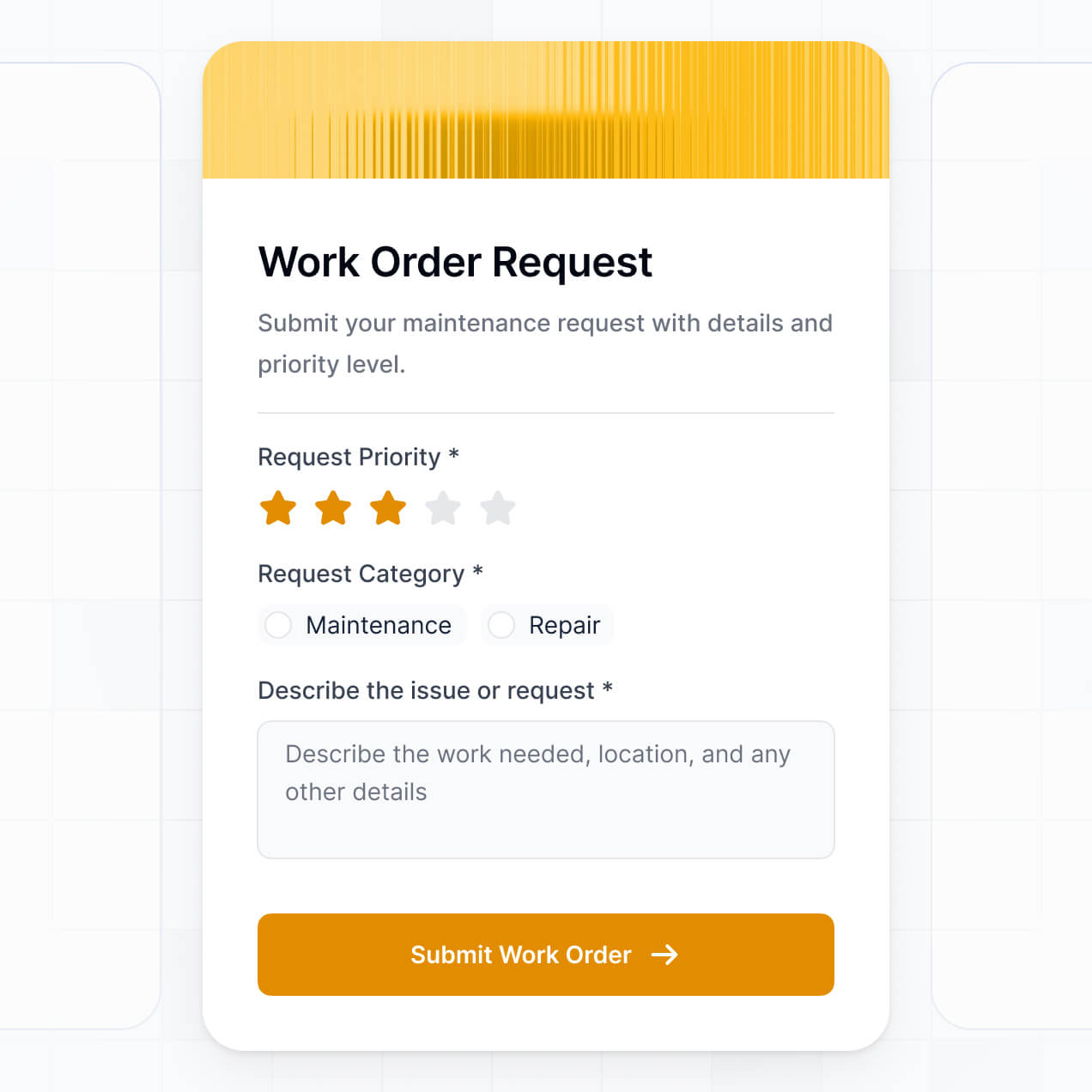
Align learning objectives and track course coverage in an AI-powered system built with AI you customize to fit your school's workflow.
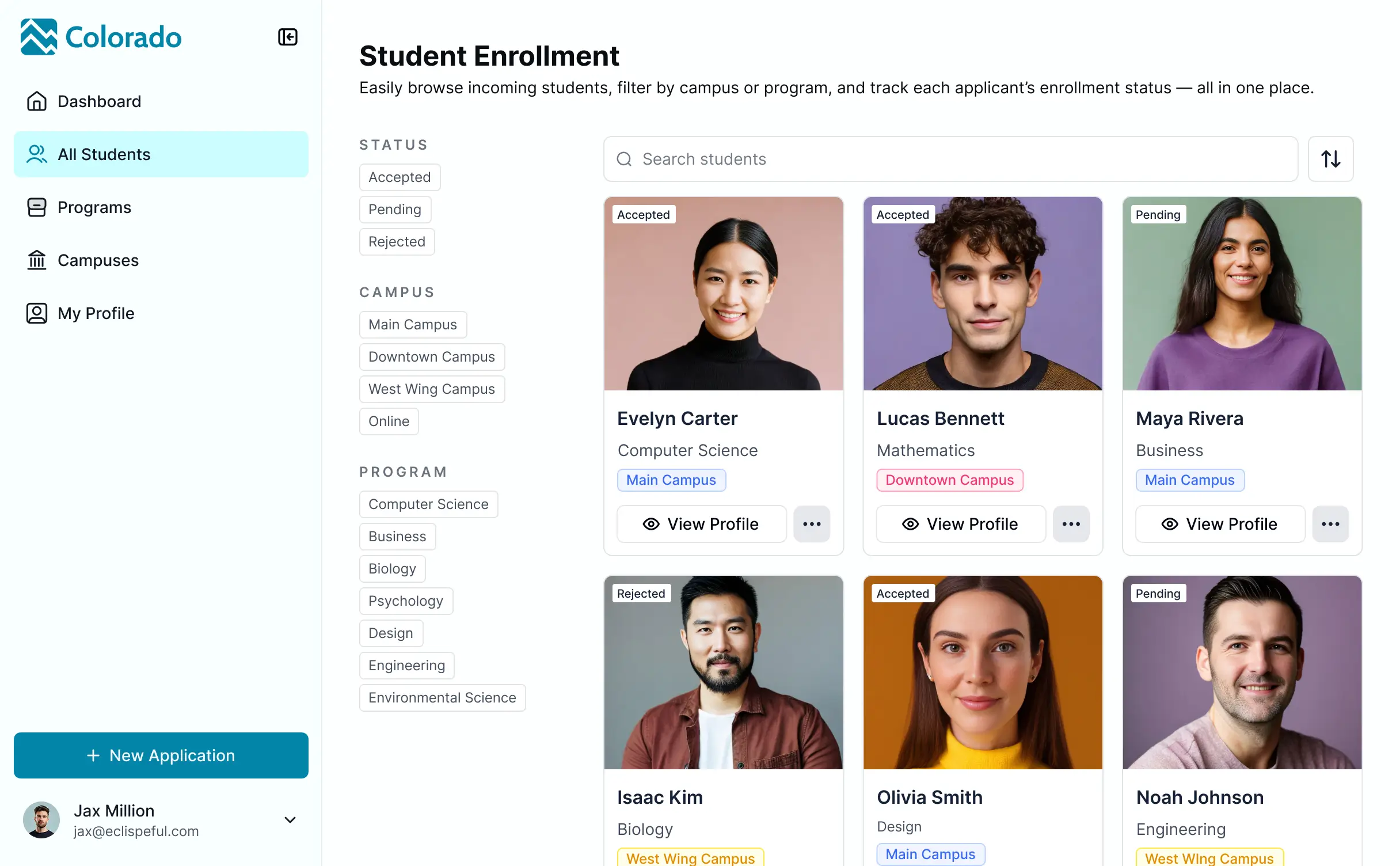
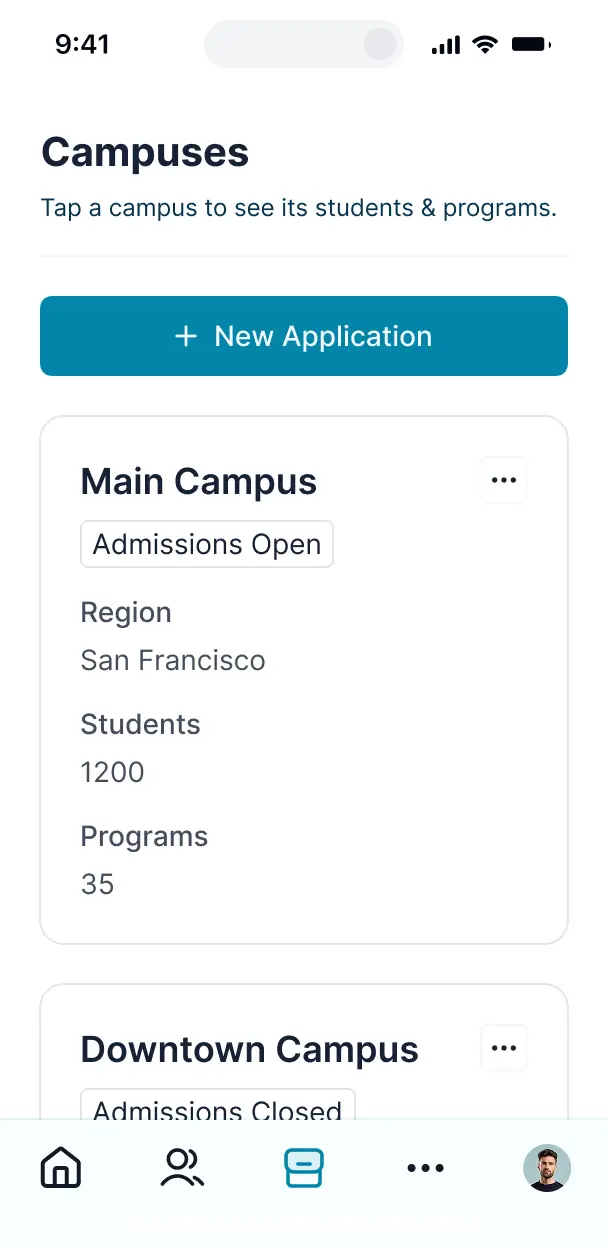

Customize your curriculum mapping tool with the exact steps and views your team needs. Add features as processes evolve—no code needed now.


Connect syllabi, standards, and course trackers with real-time sync—or manage everything in Softr Databases. Create a single source of truth for your academic department.
Give each educator the right views and access in a fully branded portal. Set up secure logins, user groups, and permissions for departments in minutes.
Softr apps are mobile-ready by default. Turn it into a downloadable app so staff can review curriculum maps from any device—no extra design needed.
Build native automations to handle syllabus approval alerts, gap analysis notifications, and real-time sync whenever a curriculum record is updated.
Provide separate logins for administrators, faculty, and reviewers, and create personalized dashboards based on their assigned courses.
Apply rules for different user roles. Customize who can edit course objectives or approve syllabi, ensuring data integrity at every level.
Protect sensitive academic information from security threats. Softr is fully compliant with SOC2 and GDPR regulations for education institutions.
No more one-size-fits-all tools or costly custom builds. Softr is easy to use and fully customizable, so you can launch faster, adapt as you grow, and skip the complexity of traditional software.

Build your curriculum mapping tool in minutes with AI—no manual setup or complex configuration needed.

Add features like gap analysis, syllabus approvals, or resource management as your department's needs evolve.

Start with curriculum maps, then add faculty portals or student dashboards—all in one place with no extra tools.
Co-build with AI
Simply describe what you need. Let Softr handle everything - Interface, database, workflows.
Iterate with AI or visually
Control most critical parts of your app yourself - roles, permissions, security.
Ship the same day
Invite team members or external clients and partners right away. No developer handover.
Use drag-and-drop blocks to build a portal that looks sleek and modern out of the box. Add only the features you need, and iterate as your workflows evolve.



A curriculum mapping tool is a secure digital environment where educators and academic administrators can log in to align learning objectives, course content, assessments, and accreditation standards. It centralizes instructional design in one place, eliminating the chaos of disconnected syllabus files or static spreadsheets. This makes it easier for faculty to stay organized, ensure academic rigor, and provide a transparent learning roadmap for students and institutional reviewers.
Softr is the first AI-native platform for building academic software, making it simple to create a curriculum mapping tool that fits your institution's specific pedagogical framework. You can describe your degree requirements or department goals to the AI Co-Builder to instantly generate your course database, mapping pages, and logic—already connected and secure.
You don't need any technical expertise. You can start by generating your LMS features with AI, using a specialized education template, or building from scratch. Everything runs on Softr Databases, the native relational database built into the platform, or you can sync with existing data in Airtable, Google Sheets, or your university's HubSpot CRM. You have full control to visually adjust layouts, decide which faculty members can edit specific modules, and brand the tool to match your institution's identity. It's fast to deploy, simple for department heads to update, and flexible enough to scale across entire colleges.
You can include a wide range of academic features in your curriculum mapping tool, depending on your institutional workflow. A powerful curriculum LMS usually blends structural mapping components with AI-driven insights:
- AI-Powered Intelligence – Use Ask AI to let staff query learning gap analyses conversationally, or set up Database AI Agents to automatically cross-reference course descriptions against state accreditation standards.
- Vibe Coding Blocks – Build custom UI elements—like an interactive competency matrix or a prerequisites flowchart—using the AI Code block to "vibe code" the exact visual representation your faculty needs.
- Softr Workflows – Build native automations (like an automatic notification to a Dean when a course revision is submitted) that trigger updates whenever a curriculum record is changed.
- User Portals & Logins – Securely manage faculty access so instructors only edit their assigned courses while department chairs maintain a global view of the entire degree program.
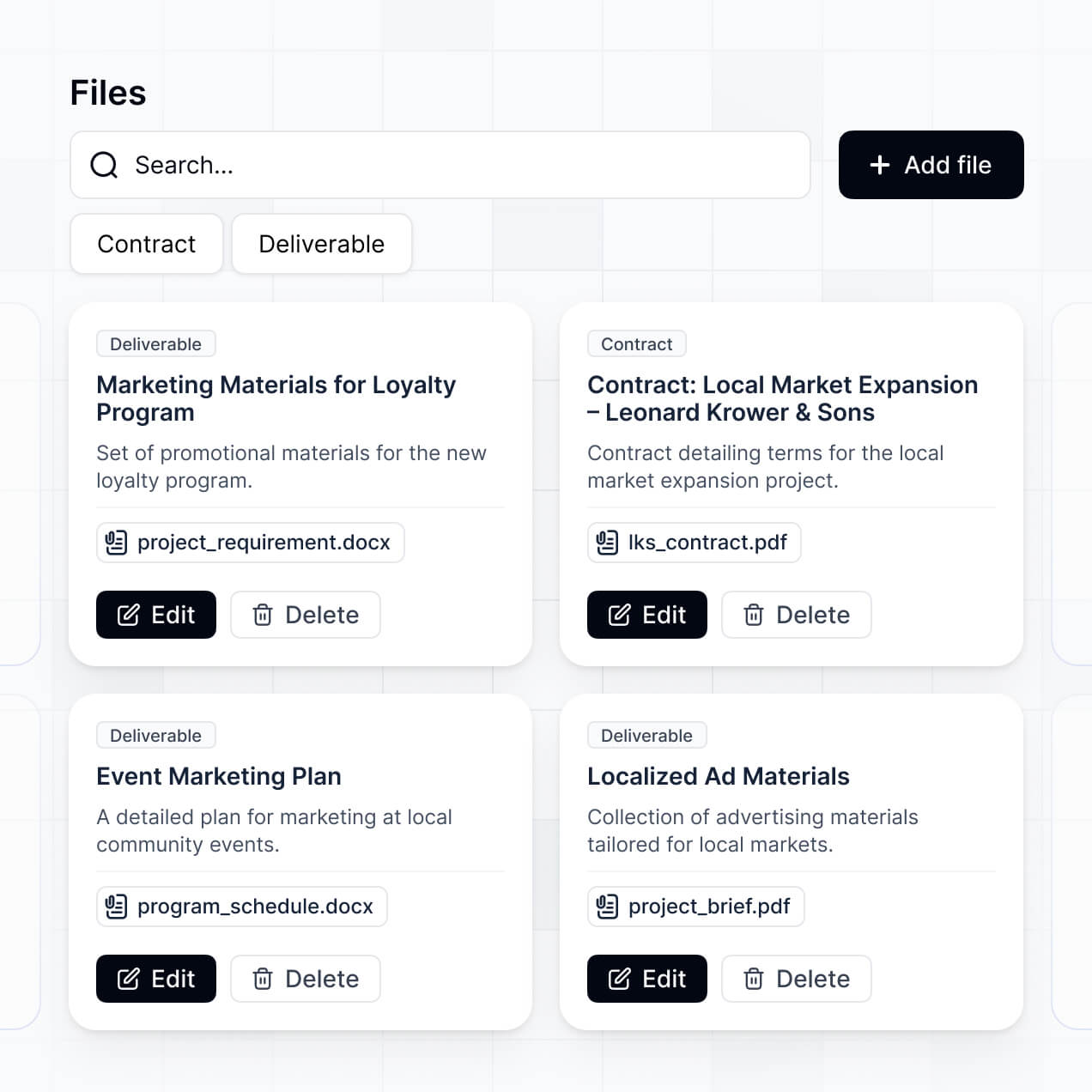
- Forms & Data Collection – Capture learning outcomes and syllabus details with custom forms, syllabus uploads, and conditional logic.
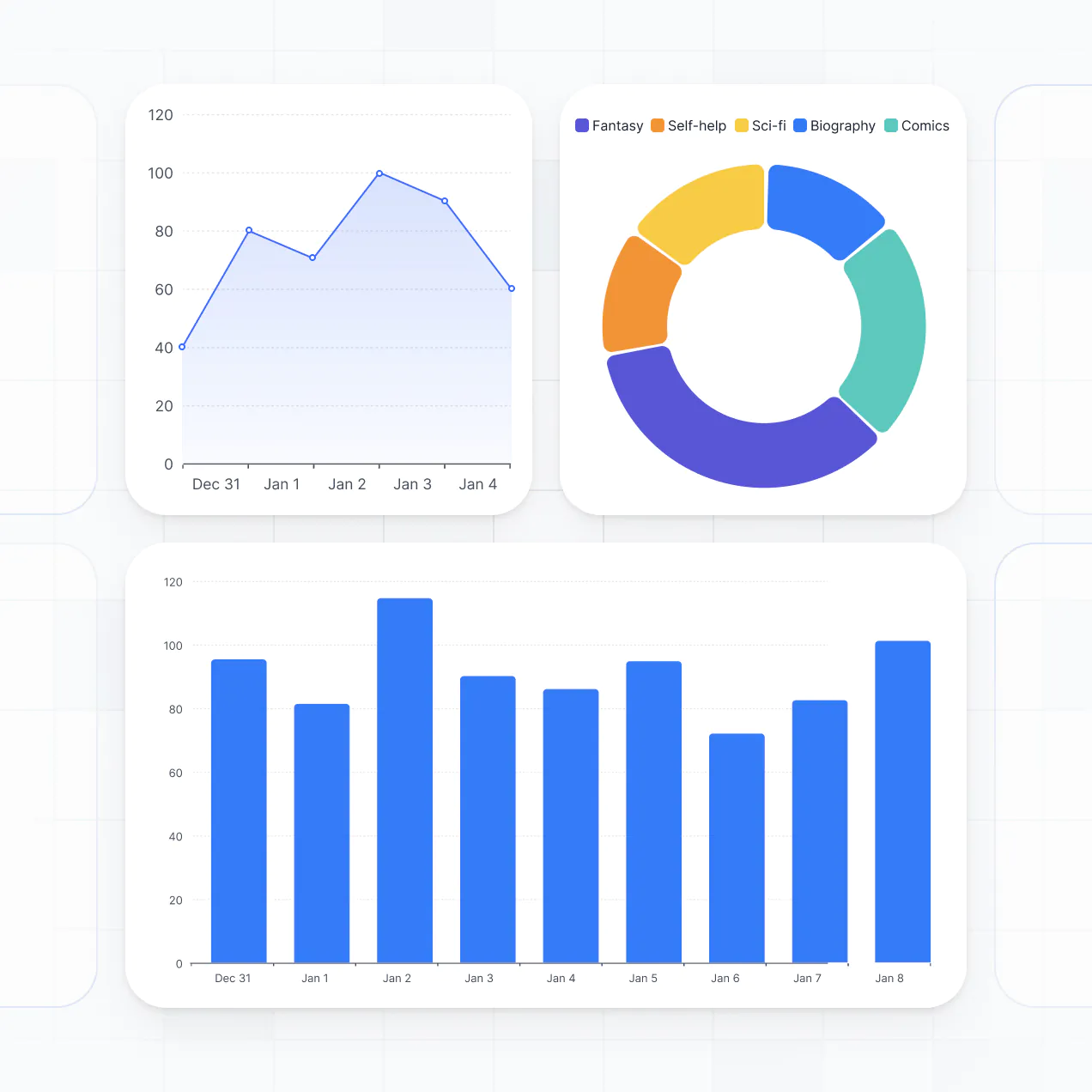
- Dashboards & Charts – Visualize your curriculum coverage and student performance metrics with real-time charts showing outcome alignment.
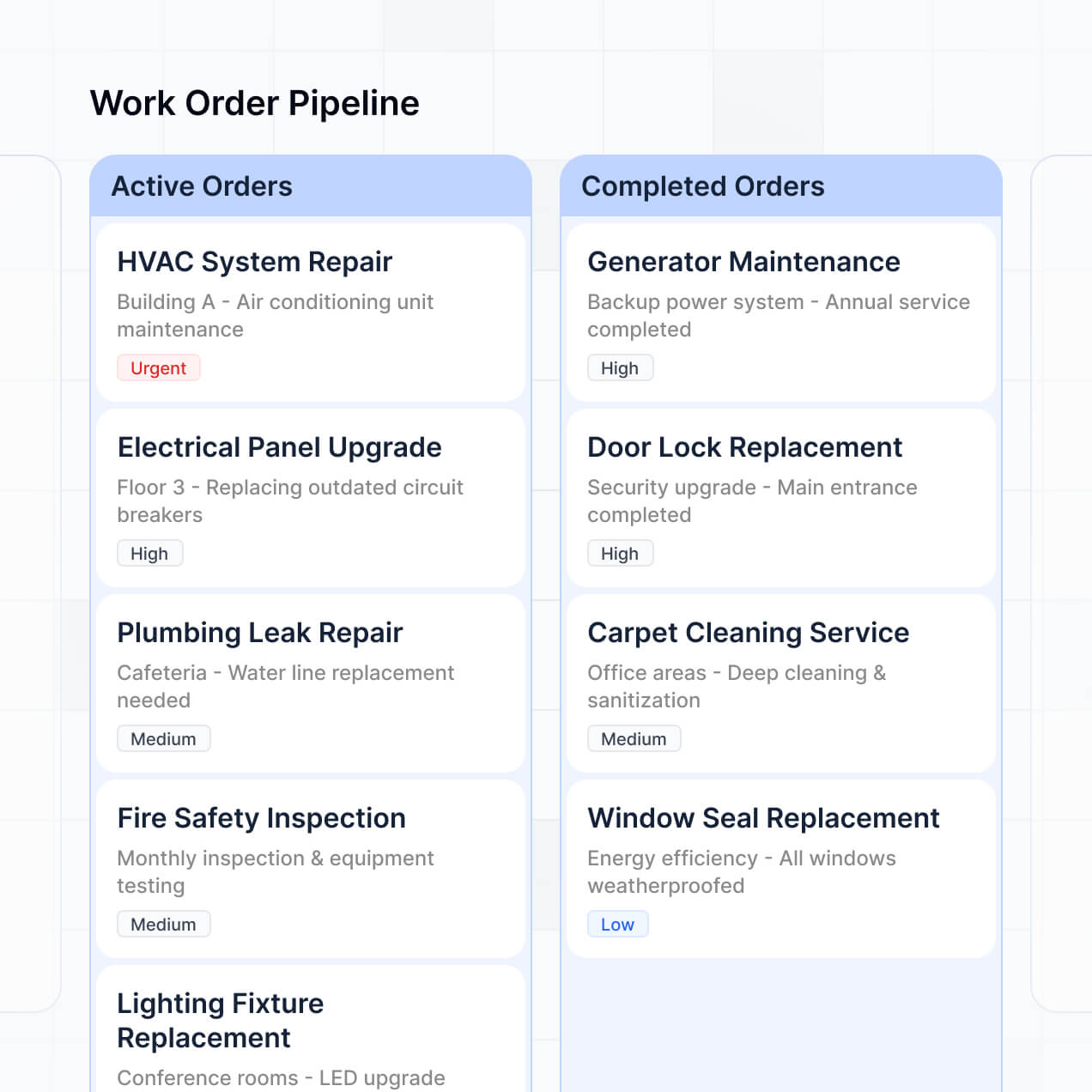
- Lists & Advanced Filtering – Display and manage your course catalog with searchable tables, kanban boards for review stages, and detailed module views.
Everything is built using Softr's drag-and-drop blocks, allowing you to create these features without coding. If your mapping needs change next semester, it's easy to update the platform visually.
Vibe coding is about moving fast and using AI to build the exact educational tools you need. You can "vibe code" a curriculum mapping tool in Softr by simply describing your department's specific mapping requirements—like tracking Blooms Taxonomy or STEM standards—to the AI Co-Builder. Softr then generates a production-ready application on top of a stable, secure foundation.
Unlike other tools that generate raw, unmanageable code, Softr handles the foundational complexities—like faculty authentication, relational database logic for courses and outcomes, and data security—natively. This means you get the speed of vibe coding without the burden of maintaining custom code. You describe the learning architectural needs, Softr builds it, and it’s ready for your academic staff instantly.
Yes. You can manage multiple departments, colleges, or teaching teams within a single curriculum mapping tool. Each user only sees the courses and learning objectives assigned to their specific department or role, based on their login credentials. This is ideal for large universities or multi-campus institutions where different stakeholders need varying levels of access to the master curriculum.
Yes, you can. You don't need an existing student information system or spreadsheet to start building with Softr. If you're starting from scratch, you can use Softr Databases, which is built into the platform and allows you to define your course hierarchies, learning outcomes, and credit weights directly.
However, if you already have curriculum data in tools like Airtable, Google Sheets, SQL, or Notion, you can connect those too. You can also use the REST API connector to ingest data from existing university systems. Either way, you have complete control over how your academic data is structured and displayed to your users.
Softr Databases is the recommended native, relational data source for your curriculum mapping tool. It is built for business and educational apps, offering high performance, instant automation triggers for course approvals, and a fast user experience because the curriculum data lives natively on the platform.
If your course data is elsewhere, Softr connects to 17+ external sources including Airtable, Google Sheets, HubSpot, SmartSuite, and BigQuery. You can even combine sources—for example, pulling course descriptions from Softr Databases while syncing student enrollment data from an external SQL database. Most sources support real-time, two-way sync, ensuring changes made by faculty reflect across your systems automatically.
Yes, Softr gives you granular control over how educators interact with your curriculum mapping tool. You can customize the layout, navigation, and module views to match your institution's specific instructional design process. Each page or dashboard block can be shown or hidden based on user roles, ensuring professors only edit their assigned syllabus while registrars view the high-level roadmap.
You can set up various roles, such as Faculty, Subject Matter Expert, or Auditor, and define exactly what each can view or modify. For instance, an adjunct professor might only see their course mapping, while an Accreditation Officer can manage all institutional records. These personalized, filtered views keep the interface clean, secure, and highly relevant to each academic user.
Yes, you can fully white-label your curriculum mapping tool in Softr. You can incorporate your institutional logo, primary and secondary brand colors, university fonts, and a custom domain (e.g., curriculum.youruniversity.edu) to make the tool feel like an official internal resource. You can also remove Softr's branding entirely, providing a seamless professional experience for your faculty and staff.
Yes, Softr provides significant flexibility to control the design of your academic mapping platform. You can adjust the visual theme, spacing, and page structure to align with your department's needs. You can choose how curriculum data is displayed to maximize clarity and faculty adoption.
To organize your curriculum, you can use various block types:
- Table blocks – to display detailed course sequences, credit hours, and outcome alignments.
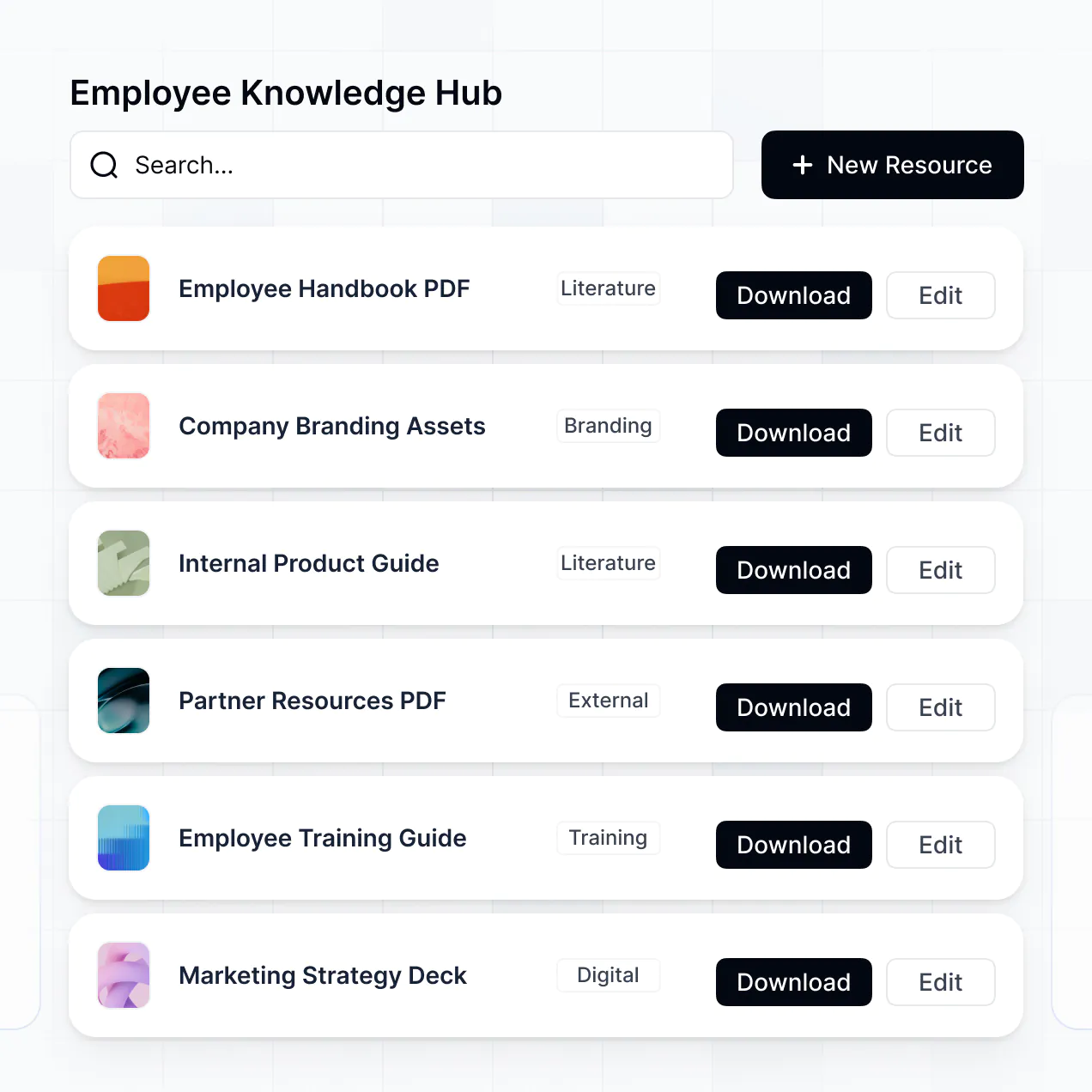
- List or Card blocks – to showcase subject categories, program pathways, or teacher profiles.
- Detail View – to provide a deep dive into a specific course's learning objectives and assessments.
- Forms – for faculty to submit new course proposals or revision requests.
- Charts – to show the percentage of outcomes met across different departments.
- Calendar blocks – to track curriculum review cycles and accreditation deadlines.
If your mapping framework evolves, the visual builder makes it easy to update the design without rebuilding from scratch.
Softr is built with enterprise-grade security to protect sensitive academic data. All information is encrypted in transit via TLS and at rest, hosted on secure infrastructure. You retain full control over access; you can set role-based permissions, manage faculty users directly, and apply field-level visibility rules to protect sensitive institutional data.
For apps using Softr Databases, your data is stored in a secure environment in Europe (Germany) with SOC 2 Type II compliance. For tools connected to external sources like Airtable or SQL, Softr doesn't store your academic records—it simply displays them in real-time based on your specific permission settings. Softr adheres to industry best practices for authentication and monitoring to ensure your curriculum data remains confidential.
It is fully production-ready. Unlike basic AI tools that generate raw code that is difficult for academic IT departments to maintain, Softr builds your curriculum mapping tool on a stable, institutional-grade foundation.
We handle the essential "back-end" features—like secure faculty single-sign-on (SSO), granular data permissions, and reliable hosting—natively. This solves the long-term maintenance problem of AI: you get the speed of instant generation with the reliability of a platform that scaling departments can depend on. Your tool is secure, scalable, and ready for your academic teams to use immediately.
Softr is the first AI-native platform designed for building specialized business and educational software. Unlike general-purpose no-code tools that require manual configuration of every button, or "vibe coding" tools that create fragile custom scripts, Softr’s AI Co-Builder builds apps on a secure, production-standard framework.
What sets us apart is the hybrid advantage: you can use AI to generate your course database and mapping logic in minutes, then use visual controls for academic-specific styling. You get the agility of AI with the infrastructure reliability (auth, roles, and permissions) required for institutional software. It is purpose-built for non-technical academic leads who need to move from a curriculum concept to a functional tool on day one.
Yes. Softr supports powerful native workflows and a wide range of academic integrations to connect your mapping tool to your entire tech stack. You can automate processes like sending an email alert when a learning objective is flagged for review, or sync department data with Slack and email notifications. Softr also supports REST API and webhooks for advanced institutional integrations.
Whether you need to push curriculum data to a primary LMS or trigger automated approvals based on faculty submissions, you can build these complex workflows directly into your tool without writing a single line of code.
Describe what you need. Softr's AI builds it in minutes. Get started free. No setup time, no developer needed.