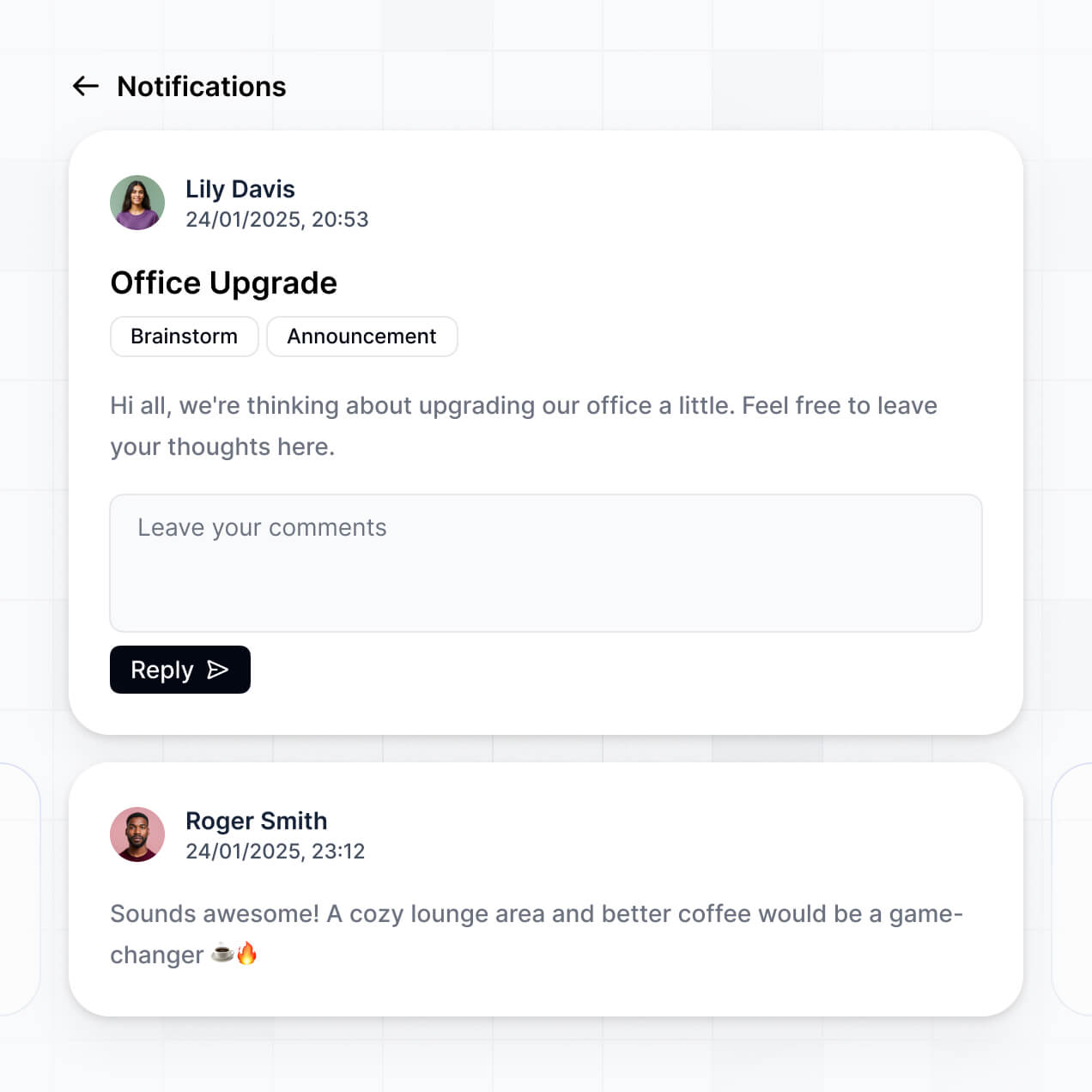
Monitor releases, manage approvals, and track status in an AI-powered system built with AI to fit your IT team's specific workflow.
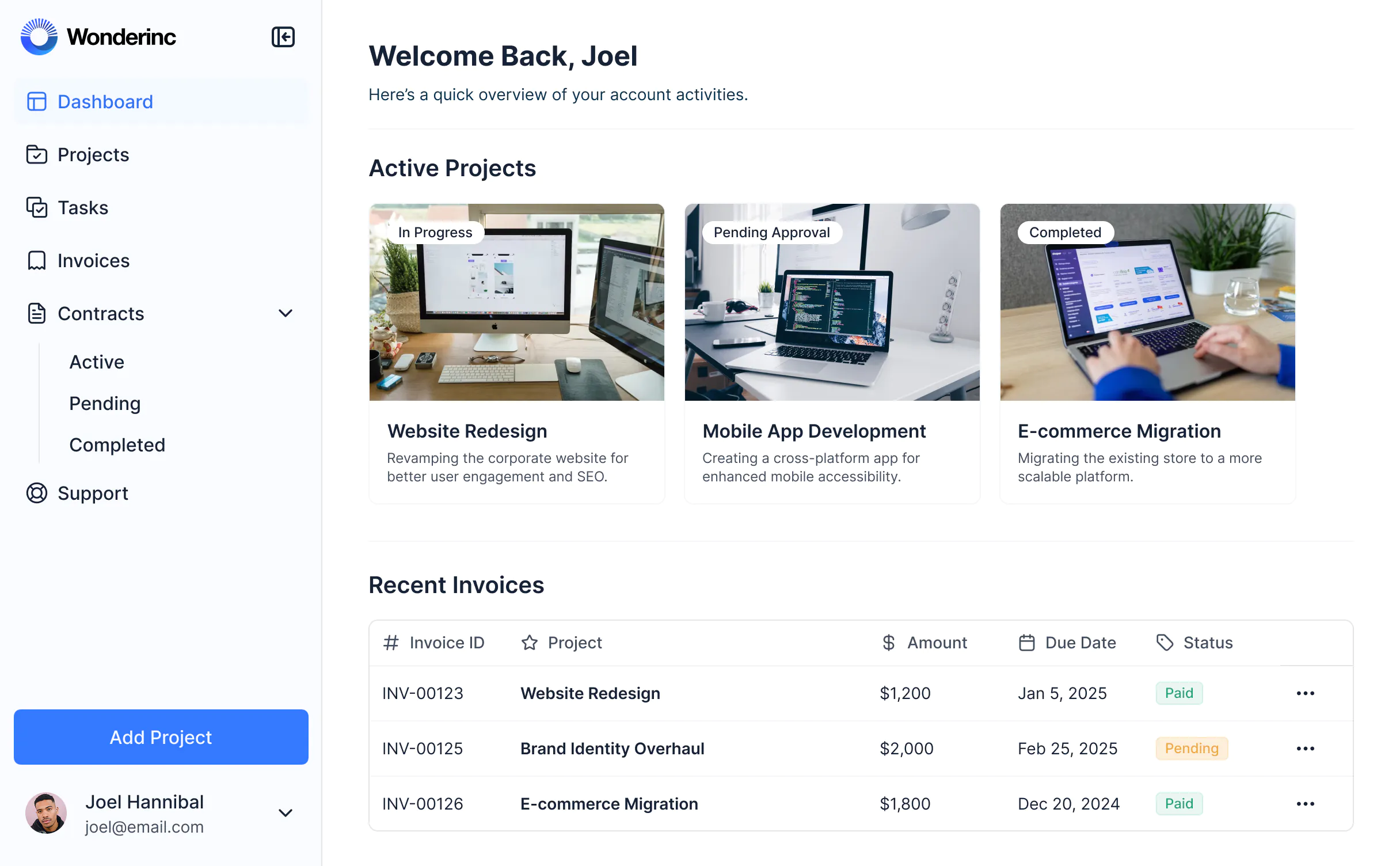



Customize your software deployment tracking tool setup with the exact steps and views your team needs. Add features as processes evolve.


Connect GitHub, Jira, and other systems with real-time sync—or manage logs in Softr Databases. Create a single source of truth for your software services' release history.
Give each teammate the right tools and access. Set up secure logins, user groups, and granular permissions—no IT support or dev work needed.
Give managers, developers, and stakeholders tailored dashboards, so each role sees just the release status and metrics they need.
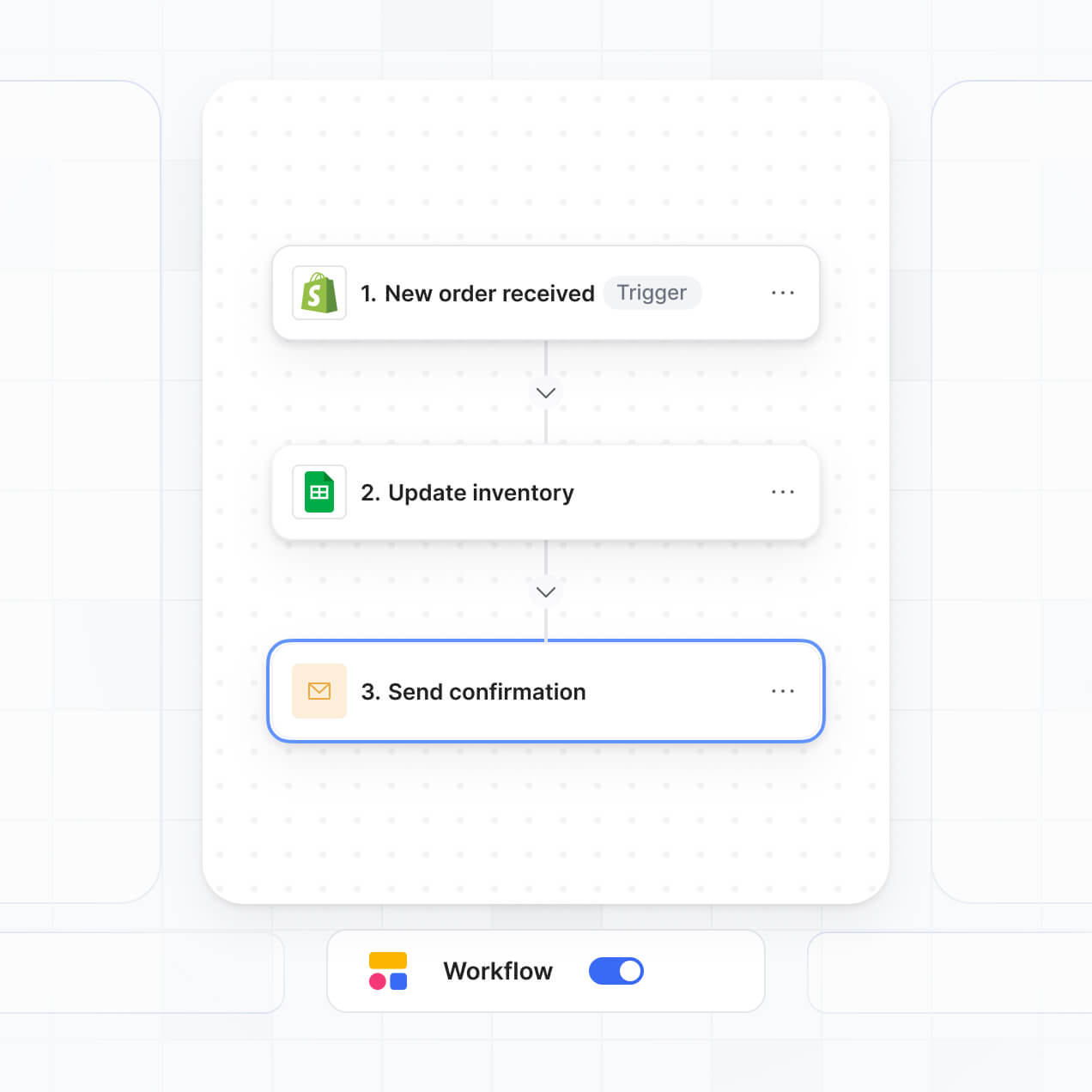
Streamline your release cycle with Softr Workflows. Trigger native notifications or status changes automatically whenever a deployment is updated.
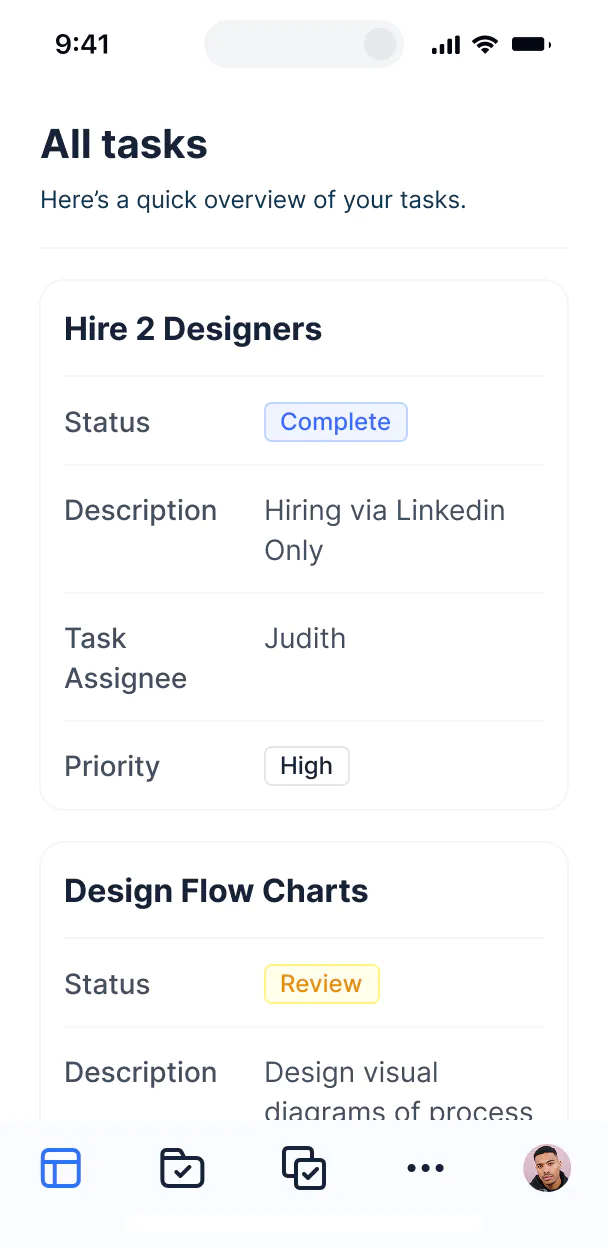
Monitor and approve deployments on the go. All tracking tools are mobile-ready out of the box for quick updates from anywhere.
Use Google, email, or SSO logins to give your engineering team fast, secure access—no IT tickets or manual onboarding needed.
Keep sensitive release data and environment keys safe with SOC2 and GDPR compliance, plus fine-tuned access control at every level.
No more one-size-fits-all tools or costly custom builds. Softr is easy to use and fully customizable, so you can launch faster, adapt as you grow, and skip the complexity of traditional software.

Build your deployment tracking tool in minutes with AI—no manual configuration or setup required.

Add release logs, approval workflows, or environment access controls as your dev ops needs evolve.

Start with deployment tracking, then add internal dashboards or form requests—all in one place.
Co-build with AI
Simply describe what you need. Let Softr handle everything - Interface, database, workflows.
Iterate with AI or visually
Control most critical parts of your app yourself - roles, permissions, security.
Ship the same day
Invite team members or external clients and partners right away. No developer handover.
Use drag-and-drop blocks to build a portal that looks sleek and modern out of the box. Add only the features you need, and iterate as your workflows evolve.




A software deployment tracking tool is a central internal hub where your engineering and DevOps teams can monitor the status of code releases, environment updates, and build versions. It keeps all deployment logs, approval statuses, and rollback procedures in one place, so you don't have to rely on fragmented Slack messages or manual spreadsheets. This makes it easier for product managers and developers to stay aligned on shipping progress and ensure a stable production environment.
Softr is the first AI-native platform for building business software, making it the fastest way to create a software deployment tracking tool tailored to your specific CI/CD pipeline. You can describe your deployment stages and server environments to the AI Co-Builder to instantly generate your database, deployment logs, and status dashboards—all pre-connected and secure.
You don't need to code your own tracking interface from scratch. You can start by generating with AI, using a technical template, or building visually. Everything runs on Softr Databases, the native relational engine, or you can connect technical data from Airtable, SQL databases, or GitHub via API. You have full control to customize the monitoring views, decide which engineers have deploy permissions, and brand the tool for your internal IT team. It's built to scale with your release frequency and deployment complexity.
You can include a wide range of features in your software deployment tracking tool to streamline your release cycles. A high-performing tracking app usually combines functional blocks with AI-powered automation:
- AI-Powered Intelligence – Use Ask AI to let developers query deployment history conversationally, or set up Database AI Agents to automatically summarize release notes or analyze build failure patterns.
- Vibe Coding Blocks – Build complex technical components—like a real-time deployment progress bar or a server status map—using the AI Code block to "vibe code" the exact visualization you need.
- Softr Workflows – Build native automations (like an automatic Slack alert when a production build fails) that trigger notifications or update record statuses whenever a deployment is initiated.
- Dev Portals & Logins – Securely manage access so only authorized senior engineers can trigger production releases while juniors have read-only access to staging logs.
- Build Logs & Forms – Capture deployment data with custom forms for manual QA sign-offs, version number inputs, and file uploads for build artifacts.
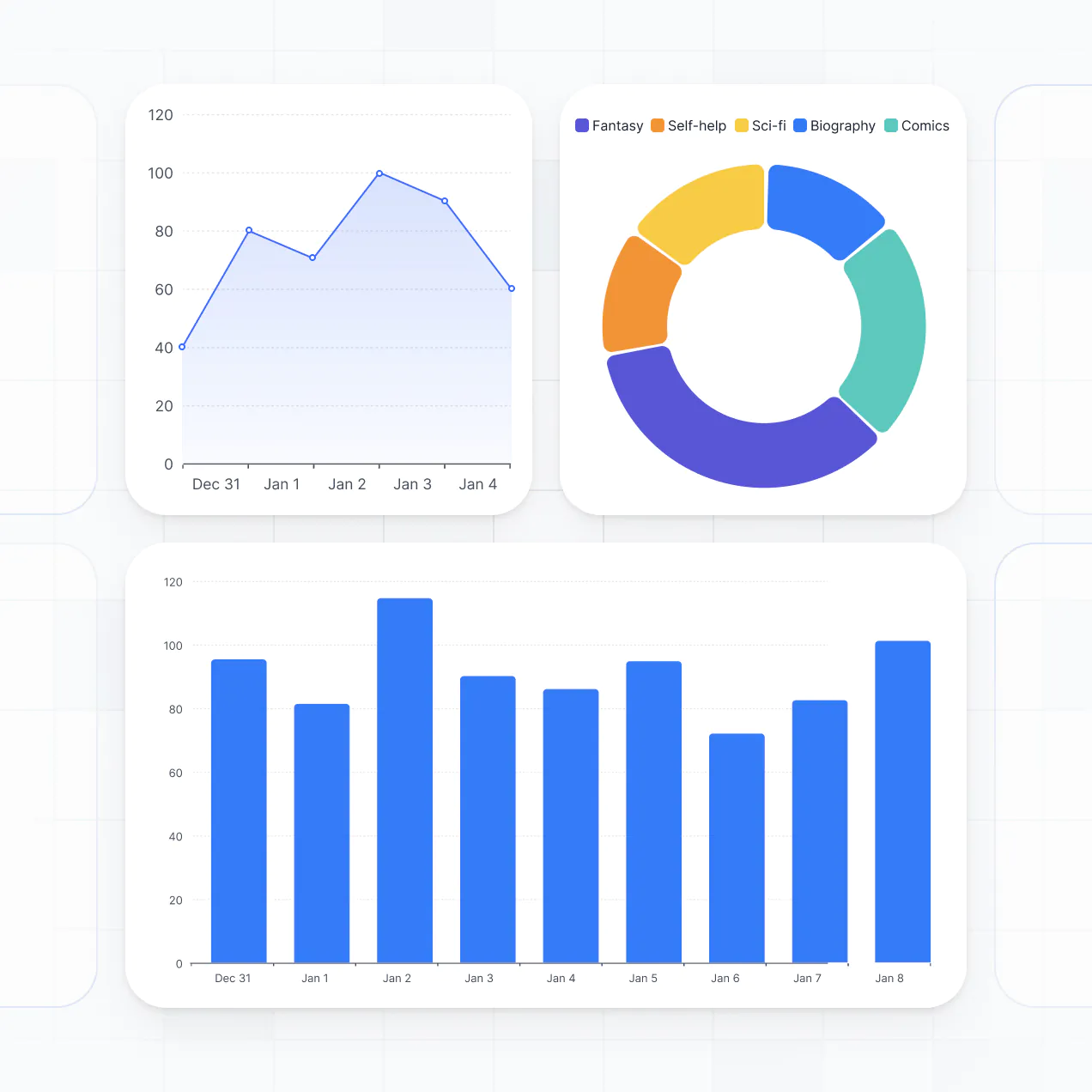
- Monitoring Dashboards – Visualize your deployment frequency, lead time for changes, and failure rates with real-time charts and summaries.
- Deployment Lists – Display and manage your releases with searchable tables and Kanban boards that track code moving from Dev to Staging to Production.
Everything is built using Softr’s drag-and-drop blocks, so can customize your DevOps visibility without writing frontend code. If your pipeline changes, you can use the Vibe Coding block to generate a new custom integration instantly.
Vibe coding is about accelerating your internal tool development by using AI to build exactly what your technical team needs. You can "vibe code" a software deployment tracking tool in Softr by describing your release stages and metadata requirements to the AI Co-Builder. Softr then generates a production-ready tracking interface on top of a stable, secure foundation.
Unlike other internal tools that require writing fragile custom scripts, Softr handles the core logic—like engineer authentication, deployment history database, and role-based access—natively. This means you get the speed of vibe coding your UI without the "Day Two" headaches of manual environment maintenance. You describe your deployment flow, Softr builds the tracker, and it’s ready for your engineering team to start logging builds instantly.
Yes. You can manage multiple engineering pods or product teams within a single software deployment tracking tool. Each developer or squad lead only sees the deployment logs and environment statuses relevant to their specific microservices or repositories, based on their team role and permissions. This is ideal for large organizations managing dozens of concurrent product releases across different departments.
Yes, you can. You don't need a pre-existing database to start tracking your releases in Softr. If you're building your tracking system from the ground up, you can use Softr Databases, which is built into the platform to store your build IDs, timestamps, and deployment notes perfectly.
However, if you already have deployment data sitting in Airtable, Google Sheets, HubSpot, or SQL databases, you can connect those directly. You can also use the REST API connector to ingest data from CI/CD tools like Jenkins or GitHub Actions. You have full control over how your deployment schema is structured and visualized for your team.
Softr Databases is the recommended native, relational data source for your software deployment tracking tool. It is built for business apps, offering the high performance and instant triggers needed to log rapid-fire deployment events with a lightning-fast interface.
If your deployment logs exist elsewhere, Softr connects to 17+ external data sources. You can integrate with Airtable, Google Sheets, SQL Server, BigQuery, and more. You can even combine sources—for example, pulling engineer names from Softr Databases while pulling live build statuses from a SQL database. Most sources support real-time, two-way sync, ensuring your tracking dashboard is always updated the moment a build finishes.
Yes, Softr gives you granular control over how your technical team interacts with the software deployment tracking tool. You can customize the dashboard layout, navigation, and log visibility to match your DevOps workflow. Each block can be restricted so that developers only see the environments they are assigned to work on.
You can set up distinct roles—such as DevOps Admin, Lead Architect, or QA Tester—and define exactly what each role can view or edit. For instance, QA Testers might only have permission to update "Ready for Prod" checkmarks, while Admins can manage the entire server environment list.
This level of customization is essential for maintaining "principle of least privilege," keeping your production deployment process secure and tailored to each professional's specific responsibilities.
Yes, you can fully white-label your software deployment tracking tool in Softr. You can use your engineering department's logo, internal brand colors, custom fonts, and a dedicated internal domain like `deployments.yourcompany.com` to make it feel like an official piece of corporate infrastructure. You can remove all Softr branding to ensure your developers have a consistent experience within your technical stack.
Yes, Softr offers deep flexibility for controlling the design and layout of your deployment dashboard. You can adjust the visual hierarchy and spacing to ensure critical system alerts and build statuses are front-and-center. You can choose which blocks appear for mobile viewing versus desktop, depending on if an engineer is checking status on the go.
To visualize your release pipeline, you can use several specialized blocks:
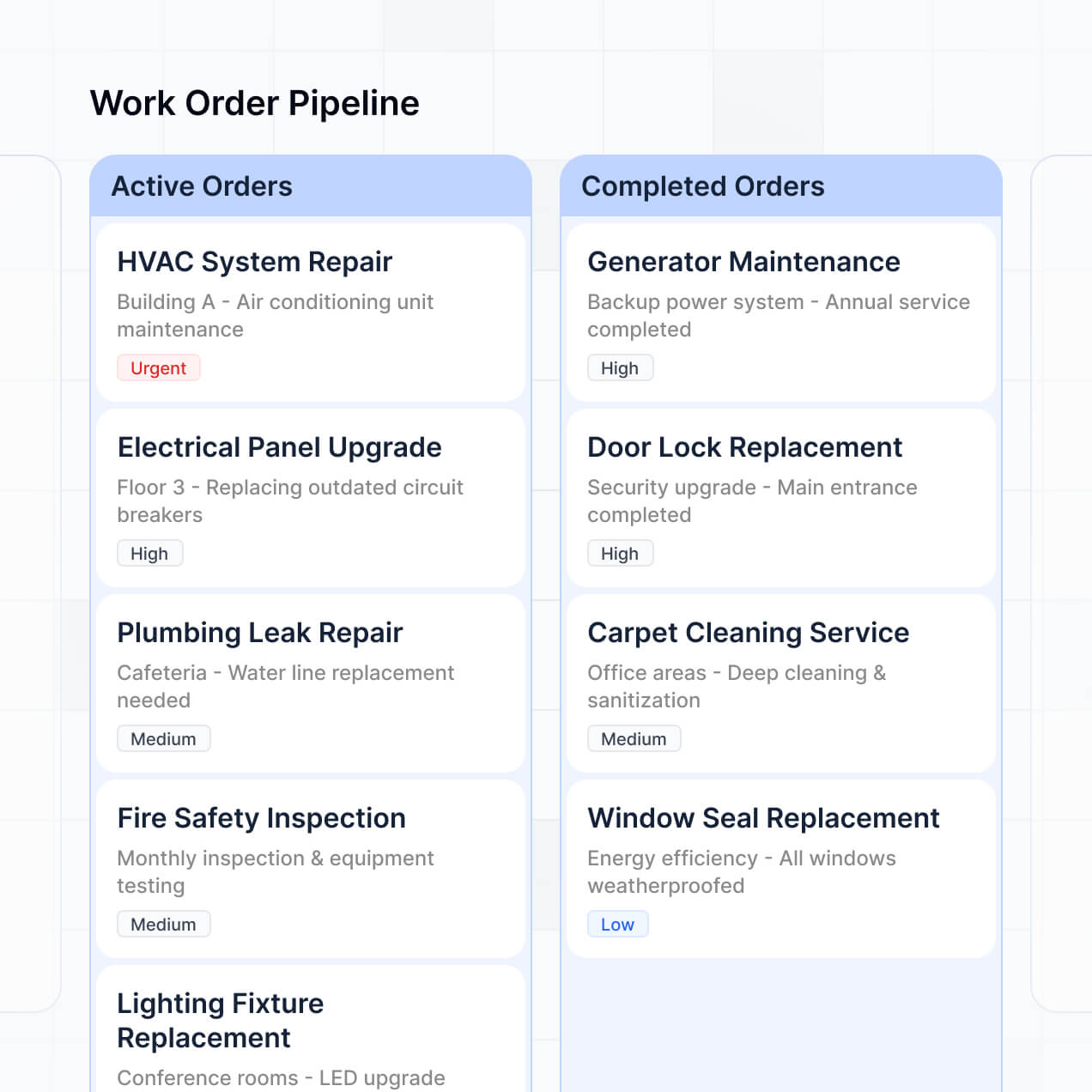
- Table blocks – to show structured release logs, version histories, and build metadata.
- List or Card blocks – to display separate environments like Development, Staging, and Production.
- Detail View – to drill into a specific deployment record, including error logs and commit hashes.
- Forms – for submitting deployment requests or incident post-mortems.
- Charts – to track deployment success rates and cycle times.
- Calendar blocks – to map out upcoming release windows and code freezes.
If your deployment process evolves, you can instantly update the tool using the visual builder without any downtime for your team.
Softr is built with enterprise-grade security to protect your sensitive technical infrastructure data. All tracking data is encrypted in transit via TLS and at rest, with apps hosted on secure, reliable infrastructure. You maintain full control over who can access your deployment logs via role-based permissions and visibility rules that protect sensitive server information.
For tracking tools using Softr Databases, your data is stored in a secure EU-based environment (Germany) with SOC 2 Type II compliance. For tools connected to external dev databases via SQL or API, Softr does not store your build logs—it simply displays them in real-time based on your permission settings. This ensures your deployment environment secrets and internal logs remain under your absolute control.
It is fully production-ready for professional engineering teams. Unlike prototyping tools that merely "vibe code" fragile scripts that break under load, Softr builds your software deployment tracking tool on a robust, business-grade foundation.
Softr handles the heavy lifting—such as secure engineer authentication, scalable hosting, and complex data permissions—natively. This solves the "Day Two" problem for DevOps teams: you get an instantly generated tracking dashboard without the maintenance burden of managing custom-coded internal tools. Your tracker is secure, performant, and ready for your team to use in production from day one.
Softr is the first AI-native platform specifically designed for building production business software. Unlike developer-only tools that require manual coding or fragile scripts, Softr’s AI Co-Builder creates your deployment tracker on a secure, pre-built foundation.
The core difference is the hybrid advantage: you can use AI to generate your deployment schema and dashboard in minutes, then use visual tools for precision editing. You get the speed of AI generation combined with the reliability of hardened infrastructure—including roles, auth, and hosting—already integrated. It’s the ideal solution for non-technical product managers or busy DevOps leads who need to move from a tracking concept to a live tool today.
Yes. Softr supports powerful native workflows and integrations to bridge your software deployment tracking tool with your engineering stack. You can automate alerts through Softr Workflows, or sync with GitHub, GitLab, and Jira. Softr also supports REST API and webhooks to trigger external build scripts when a deployment record is updated.
Whether you need to notify developers of a successful build, trigger a rollback workflow based on a button click, or fetch data from your existing CI/CD pipeline, you can build these connections into your tracking tool without writing a single line of frontend code.
Describe what you need. Softr's AI builds your tracking tool in minutes with no code required.