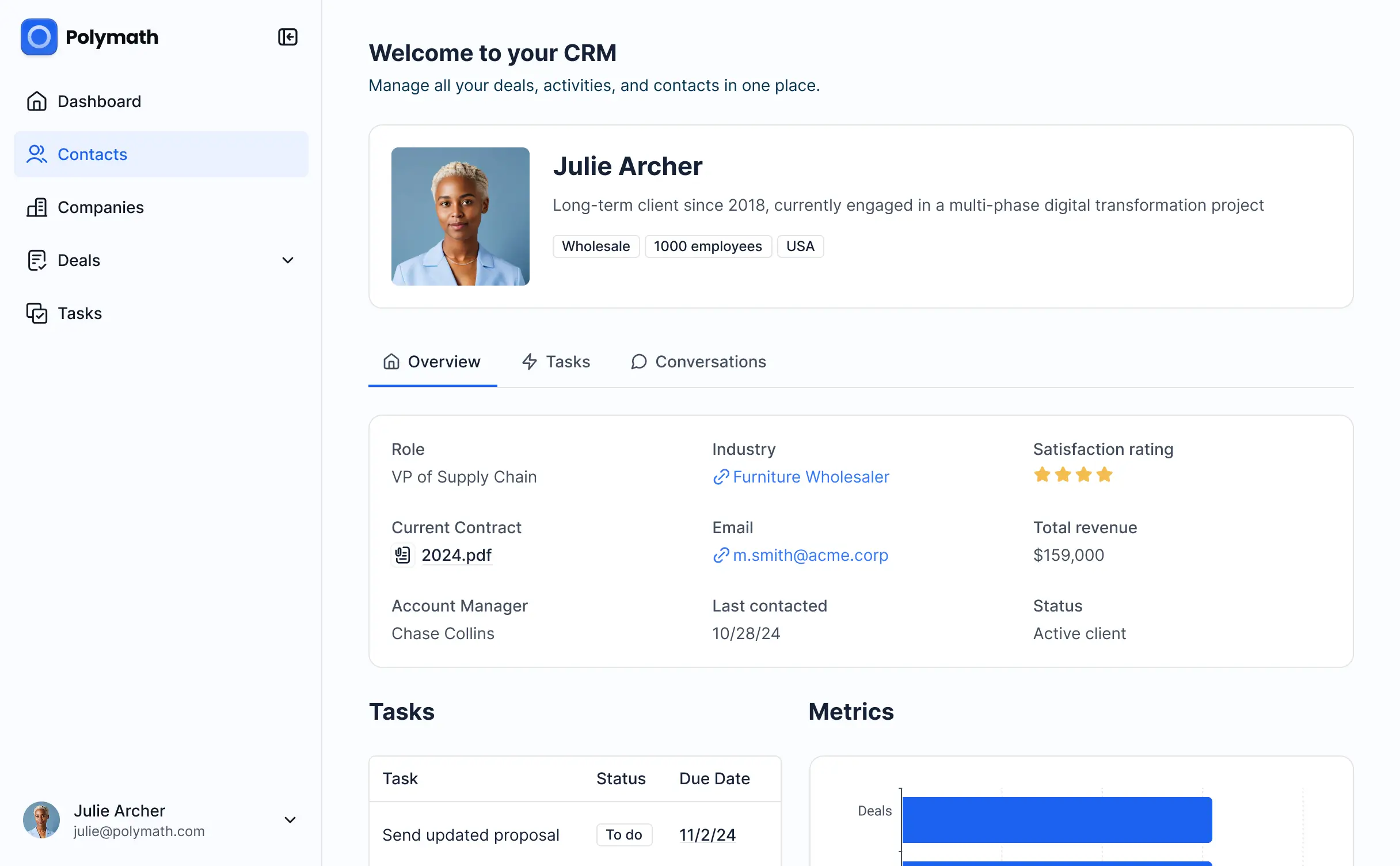
Manage customer relationships effectively with a customizable CRM tailored to fit your business processes and team requirements.


Tailor your CRM with only the views and workflows your team uses. Add features as your process evolves—no code needed, just flexibility.
Connect spreadsheets, CRMs, and project management tools with real-time sync—or manage everything in Softr Databases. Create a single source of truth for your sales processes.
Give every sales or support teammate secure, tailored access to your CRM. Set up logins, user groups, and permissions—no IT or dev needed.
Give team members access to the leads, customers, or pipelines they need with personalized dashboards for each role.
Connect with tools like Make, Zapier, or N8N to automate lead assignments, follow-ups, and status changes.
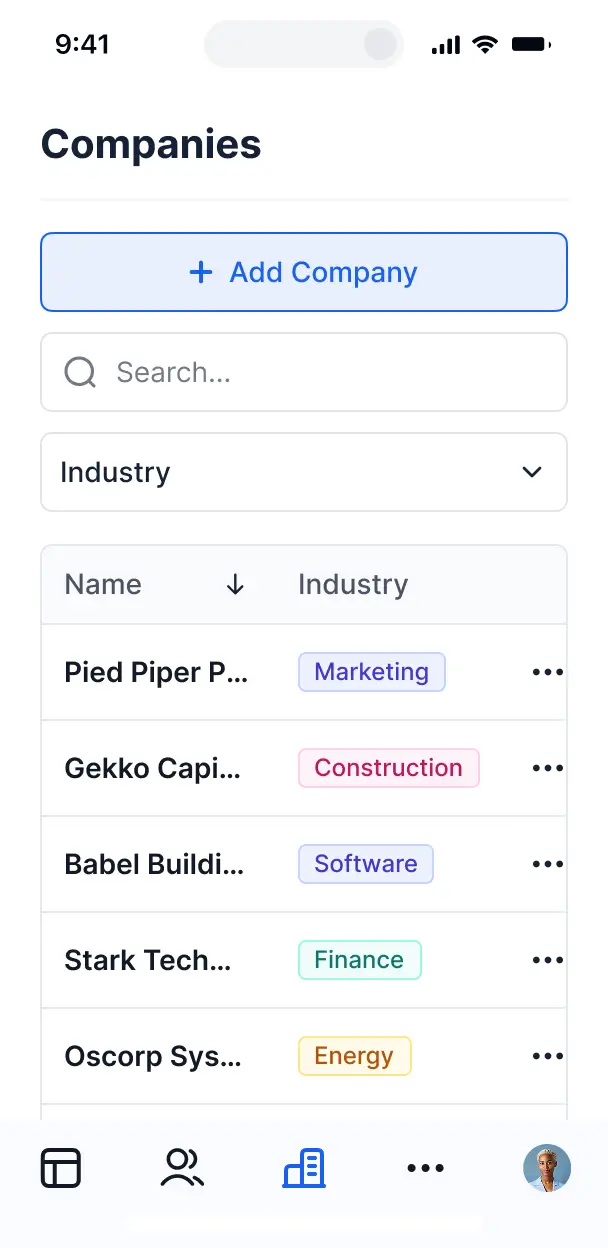
Access and update your CRM from anywhere. Every app is mobile-ready so your team stays productive on the go.
Let your team log in quickly with email, Google, or SSO for fast, secure access—no IT help required.
Protect your customer data with SOC2 and GDPR compliance plus robust access controls for every CRM user.
Sales can ask AI about leads, deals, or contacts—get instant answers right inside your CRM without switching tools.
No more one-size-fits-all tools or costly custom builds. Softr is easy to use and fully customizable, so you can launch faster, adapt as you grow, and skip the complexity of traditional software.
Launch your Coda CRM fast with drag-and-drop blocks and ready-made CRM templates.
Add pipeline stages, custom fields, or integrations as your CRM needs change—no rebuild needed.
Start with your CRM, then add portals, dashboards, or forms—all in one place, no extra tools.
Integrate with your spreadsheets and databases, including Airtable, SQL, Hubspot, Google Sheets, Supabase, BigQuery, and more—in just a few clicks. Your data is always secure and in sync.
Drag and drop customizable building blocks with various views and functionalities. Granular permissions allow you to control what data each user can access, and which actions they can take.
Ship applications that your team will love in minutes or hours, instead of days or weeks. Deploy on both desktop and mobile.


A coda crm is a centralized platform where your team can manage contacts, track leads, store interaction history, and organize tasks related to client relationships. It brings all your customer information together in one place, making it easier to stay on top of follow-ups, keep records up to date, and streamline your sales or support processes.
Softr makes it simple to build a coda crm tailored to your team's workflow. You can connect your existing data, like Airtable, Google Sheets, or Notion, and set up a space where your team can view contacts, update deal stages, assign tasks, and collaborate—all in one dashboard.
You don’t have to write any code. Start with a template or build from scratch, customize layouts, control access for team members, and brand it to match your organization. It’s quick to set up, easy to update, and flexible enough to scale as your CRM needs change.
You can create a wide range of features in your coda crm, depending on how you manage your customer relationships. Common examples include:
\- User logins – so each team member has their own access
\- Custom dashboards – to track sales pipelines, upcoming tasks, or key metrics
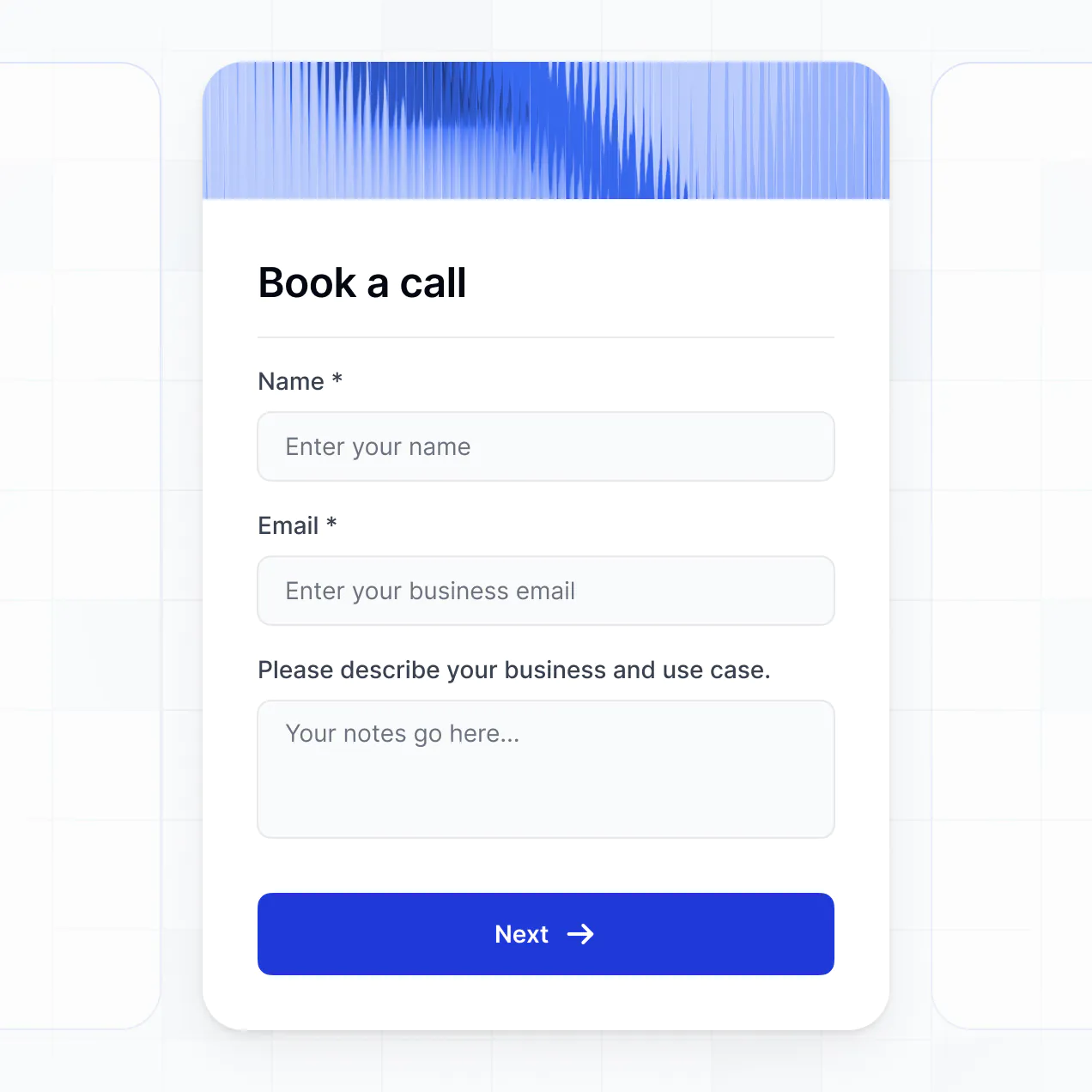
\- Forms – for logging calls, capturing new leads, or gathering client feedback
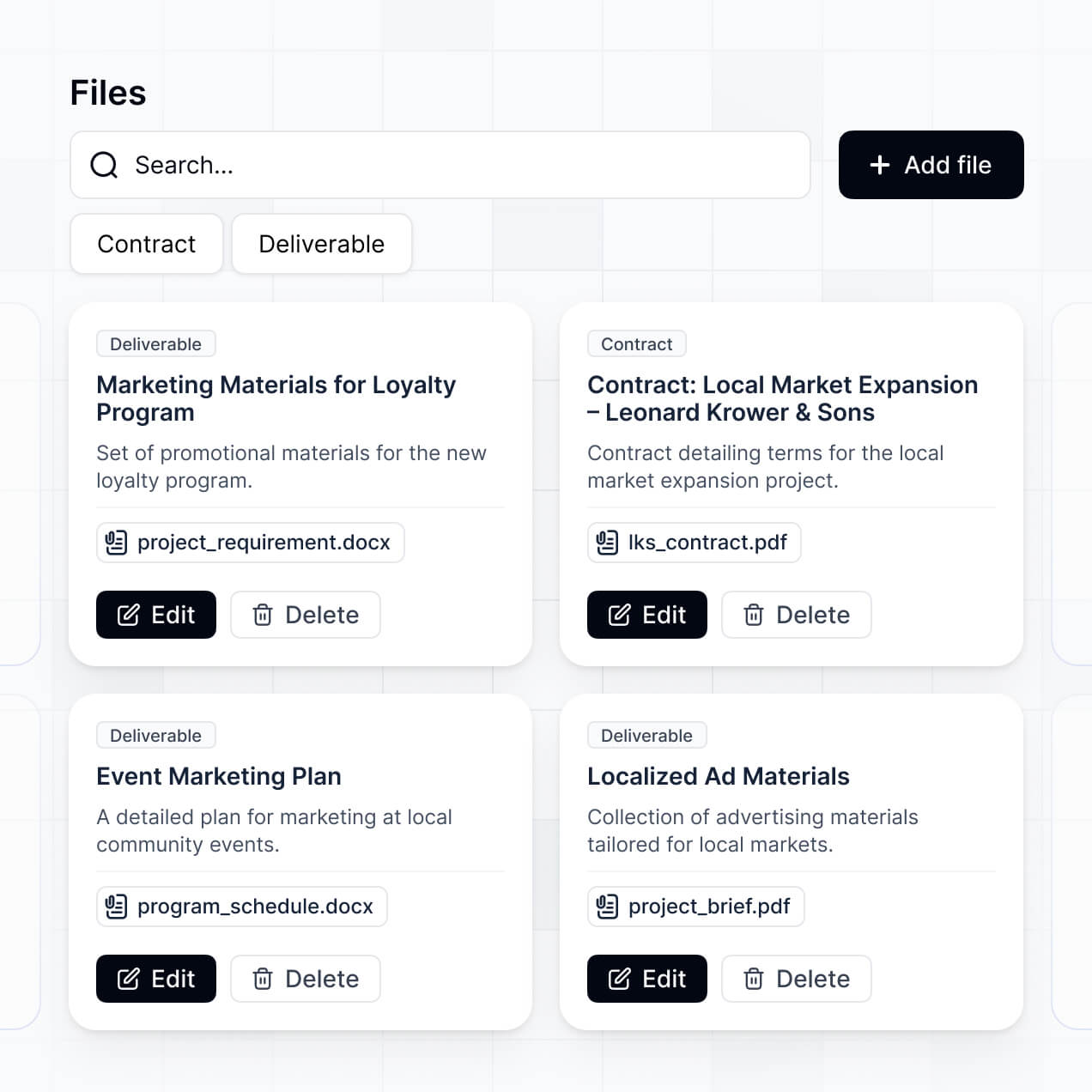
\- File sharing – to upload and store contracts, proposals, or notes
\- Search and filters – to quickly find contacts or deals
\- Tables, lists, and detail views – for managing leads, clients, or activities
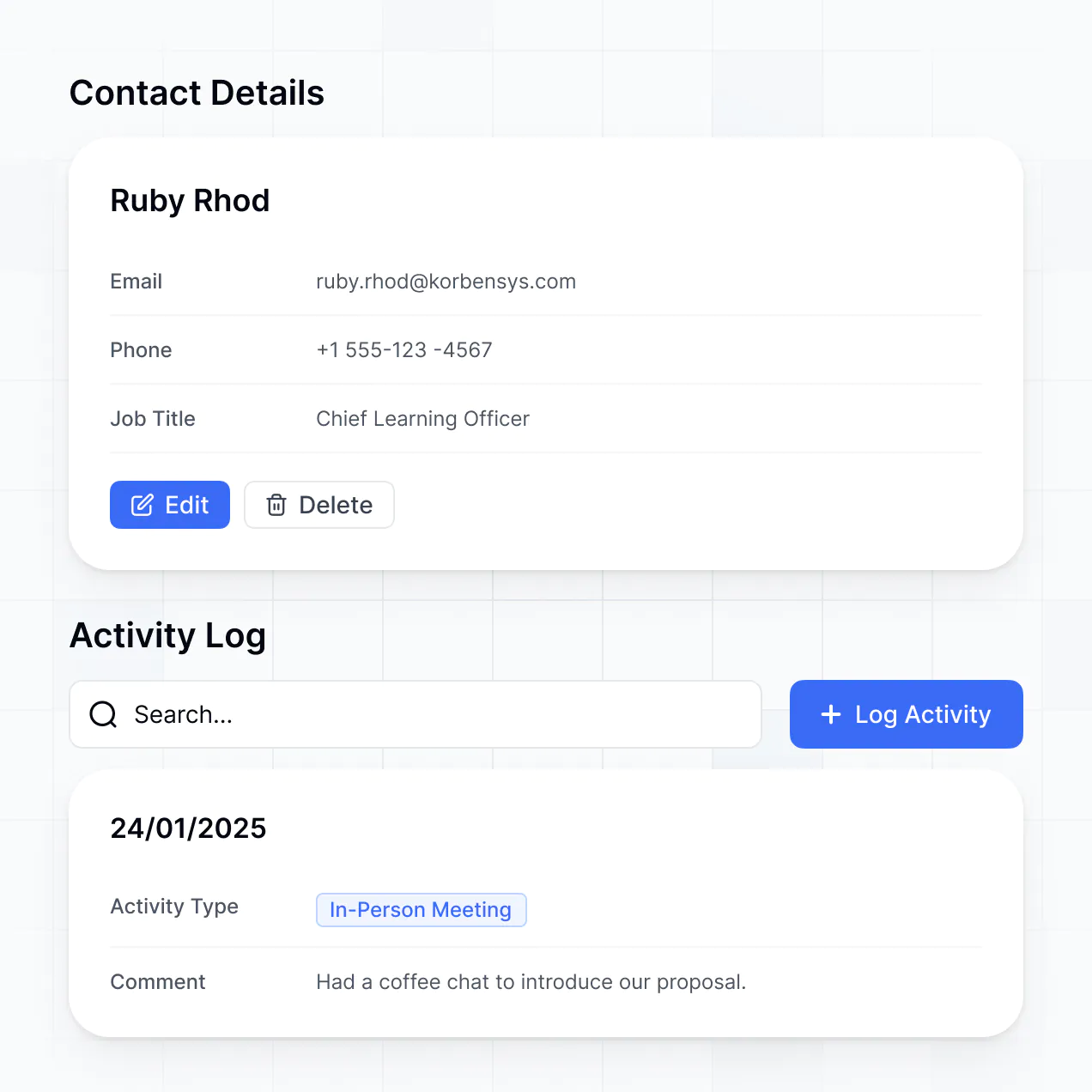
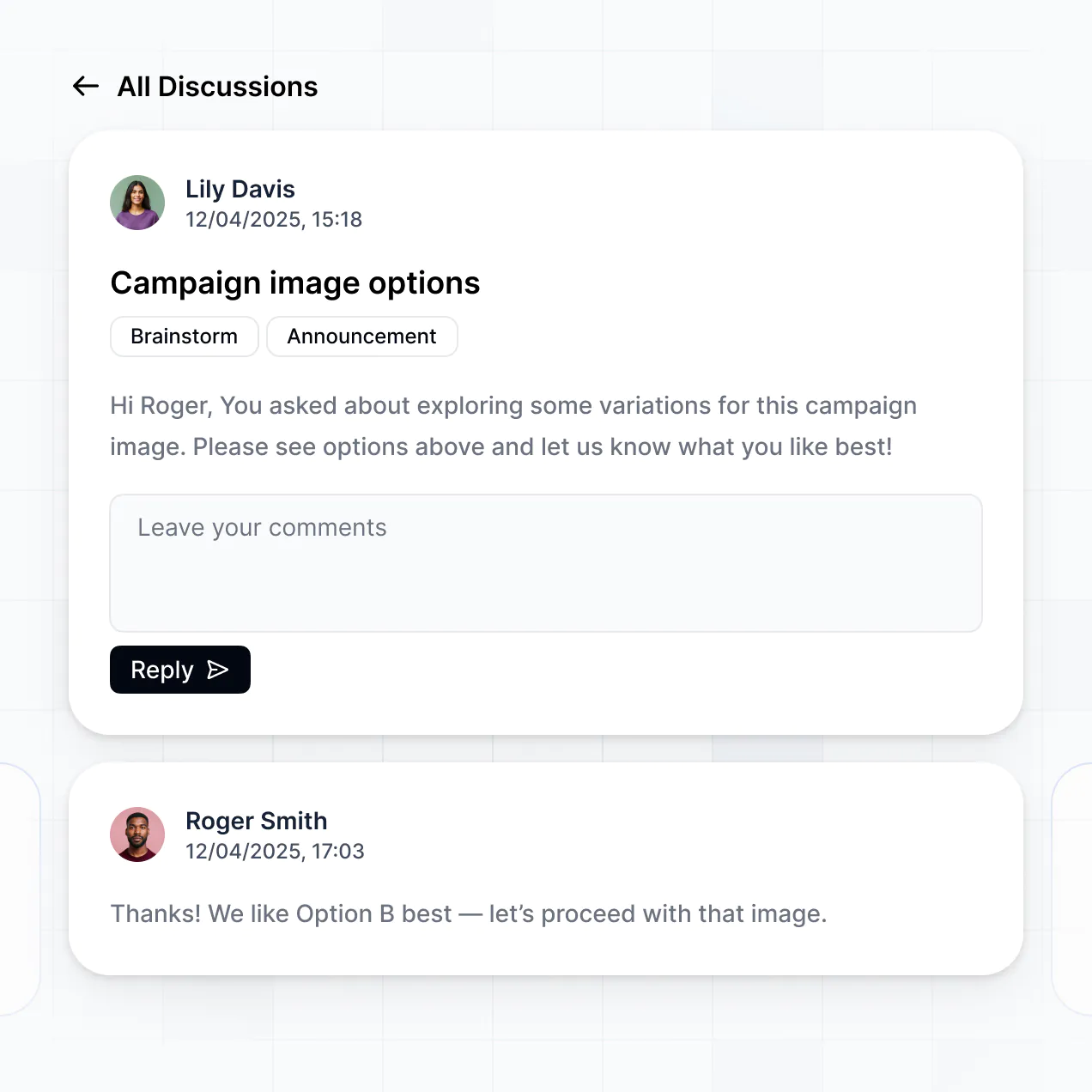
\- Comments or status updates – to track progress in one place
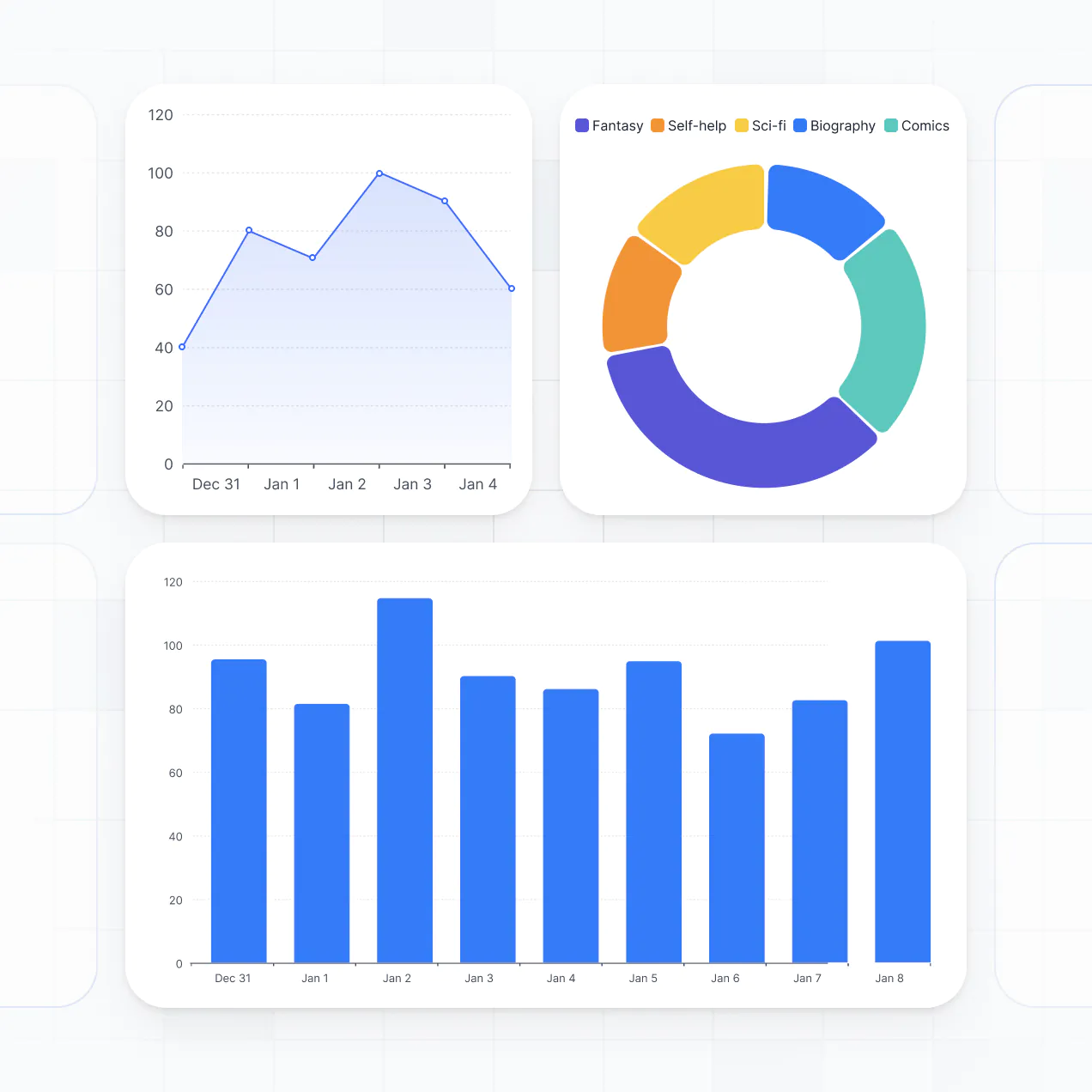
\- Charts – for visualizing sales performance or pipeline health
\- Calendar view – for follow-ups, meetings, or important deadlines
\- Permissions and roles – so each team member sees only what they need
All of these can be built using Softr’s drag-and-drop blocks, so you can create and update features with no coding required.
No coding experience is needed. You can build your coda crm entirely using Softr’s visual editor. From customizing pages to managing permissions, everything can be set up without writing a single line of code.
Yes. You can manage multiple clients or teams within a single coda crm workspace. Each user will only see the contacts, deals, and information that are assigned to them, based on their login and assigned role. This setup is ideal for agencies, sales organizations, or any team managing several client relationships or projects in one place.
Softr supports a broad range of data sources for your coda crm. You can connect to Airtable, Google Sheets, Notion, Coda, monday.com, HubSpot, Clickup, Xano, Supabase, PostgreSQL, MySQL, SQL Server, MariaDB, BigQuery, and more. You can also import data from other sources using the REST API.
You’re not limited to a single source. Your coda crm can integrate multiple data sources and display them side by side. For example, you could pull in sales data from Airtable, contact information from Coda, and marketing info from HubSpot. Most integrations support real-time, two-way sync, helping your CRM data stay updated automatically.
Yes, with Softr, you have complete control over how users interact with your coda crm. You can adjust the layout, navigation, and content to fit your brand and workflow. Each page or section can be tailored to appear only for specific users, so team members or clients see only what’s relevant for their role.
You can also set up custom user roles—like sales rep, manager, or admin—and define exactly what each role can view or edit. For example, sales reps might see only their own pipelines, while managers could access all client records. You can further personalize the CRM by filtering data based on the logged-in user. This makes it easy to keep your coda crm secure, organized, and perfectly suited to your team’s needs.
Yes, you can. You don’t need to have existing data elsewhere to start building your coda crm with Softr. If you’re starting from scratch, you can use Softr Databases, which is built into the platform and works seamlessly with your coda crm.
If you do have data in tools like Airtable, Google Sheets, HubSpot, Notion, Coda, monday.com, Supabase, or SQL, you can connect those as well. You can also use the REST API connector to bring data from other sources. This gives you full control over how your CRM data is organized and displayed.
Yes, you can fully white-label your coda crm in Softr. You can use your own logo, brand colors, fonts, and set up a custom domain so your CRM matches your company’s look and feel. All Softr branding can be removed, making the coda crm a seamless extension of your organization’s identity for your team and users.
Absolutely. Softr gives you plenty of flexibility to customize both the design and layout of your coda crm. You can tweak colors, fonts, spacing, and the structure of your pages to align with your brand. You decide how each page is organized, which blocks appear where, and what different user roles can access when they log in.
To present your CRM data, use different kinds of blocks to fit your needs:
\- Table blocks – to display structured CRM data like contacts, deals, or activity logs
\- List or Card blocks – to highlight account overviews, recent activity, or opportunities
\- Detail View – to show individual CRM records, such as a contact or company profile
\- Forms – for entering new records or updating existing ones
\- Charts – for pipeline or sales activity insights
\- Calendar blocks – to manage follow-ups or key dates
And if you want to make changes later, it’s easy to update your coda crm right in the Softr visual builder.
Softr is designed with security at its core. Your coda crm data is encrypted both in transit (TLS) and at rest, and all apps are hosted on secure, dependable infrastructure. You get full control over access and permissions within your coda crm—set up role-based permissions, manage users directly in your connected data source, define visibility rules, and apply global restrictions to keep CRM data safe.
If your coda crm pulls data from sources like Airtable, Notion, or SQL, Softr never stores your raw data—it simply displays it in real time based on your permissions. You’re always in charge of what data is accessible and who can make changes.
Softr follows best practices for authentication, access control, and active platform monitoring to ensure your CRM stays secure.
You can get started building your coda crm for free with Softr’s Free plan. It allows you to publish your CRM with up to 10 app users and 2 user groups, supporting major data sources like Softr Databases, Airtable, Google Sheets, and more.
If your coda crm needs to support more users or advanced features, you can review Softr’s paid plans to find the right option for your needs: <http://softr.io/pricing>
Softr is designed to help you quickly build powerful, user-friendly apps like coda crm, client portals, and internal tools—without writing any code or needing developer help. What makes Softr unique is how fast you can launch a functional CRM, and how seamlessly it works with your existing data.
Unlike some no-code platforms focused on mobile apps (like Glide) or those geared more for developers (like Retool), Softr is made for non-technical teams who want full control over layout, user experience, and permissions. You can build your coda crm on real-time data from Airtable, Google Sheets, Softr Databases, or SQL, and easily customize everything visually, including user roles and access.
Softr comes with built-in features like forms, conditional logic, and API support, so you don’t need to piece together multiple tools to get a polished CRM up and running.
Yes, you can automate processes and connect your coda crm to the rest of your toolset with Softr’s integrations. You can connect with platforms like Stripe for payments, Intercom for messaging, and automate workflows using Zapier, Make, or N8N. Softr also supports REST API and webhooks for custom integrations.
This means you can send data to other systems, trigger automated tasks based on CRM activity, or pull in information from external tools—all within your coda crm, and all without writing code.